


 Login with Google
 Login with Facebook
 Login with Twitter
Antioxidant Tea
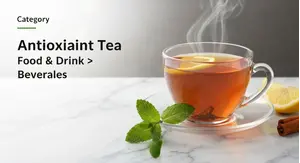
Unlock the Power of Antioxidant Rich Tea for Ultimate Health
Antioxidant rich tea is more than just a beverage; it's a powerful ally in the quest for optimal health. In a world where our bodies are constantly bombarded by environmental stressors and internal metabolic processes that generate harmful free radicals, incorporating foods high in antioxidants into our daily routine becomes paramount. This article delves into the science behind antioxidants, their profound health benefits, and why antioxidant rich tea should be a staple in your healthy diet. We'll explore various types of antioxidant tea, their specific antioxidant properties, and how they can contribute to overall well-being.
Understanding Antioxidants and Free Radicals
At the heart of the antioxidant story lies the battle against free radicals. These unstable molecules, produced during normal metabolism and exposure to environmental toxins, can cause significant cell damage through a process known as oxidative stress. Oxidative stress is linked to numerous chronic diseases and accelerated aging. Antioxidants, on the other hand, are molecules that can neutralize free radicals, preventing them from causing harm. They act as oxidant scavengers, protecting our cells from damage and promoting overall health.
The Science of Oxidative Stress and Cell Damage
Oxidative stress occurs when there's an imbalance between the production of free radicals and the body's ability to neutralize them with antioxidants. This imbalance can lead to damage to DNA, proteins, and lipids, the building blocks of our cells. Over time, this cumulative damage contributes to the development of various diseases, including heart disease, cancer, Alzheimer's disease, and arthritis. The National Institutes of Health has conducted extensive research on the impact of oxidative stress on human health, highlighting its role in chronic disease development. Understanding this process is crucial for appreciating the importance of a diet rich in antioxidants.
Types of Antioxidants: A Comprehensive Overview
Antioxidants come in various forms, each with unique properties and mechanisms of action. Some of the most well-known antioxidants include:
- Vitamin C: A water-soluble vitamin essential for immune function and collagen synthesis. It acts as a powerful antioxidant, protecting cells from damage caused by free radicals.
- Vitamin E: A fat-soluble vitamin that protects cell membranes from lipid peroxidation, a process that damages fats in the body.
- Beta-Carotene: A precursor to vitamin A, beta-carotene is a carotenoid that acts as an antioxidant and supports vision and immune function.
- Selenium: A trace mineral that is a component of several antioxidant enzymes, including glutathione peroxidase.
- Polyphenols: A large group of plant-based compounds with potent antioxidant and anti-inflammatory properties, found abundantly in tea, fruits, and vegetables.
Each of these antioxidants plays a vital role in protecting our bodies from oxidative stress. Consuming a variety of foods high in antioxidants ensures that we receive a broad spectrum of protection.
Technical Specifications & Material Analysis
Analyzing the antioxidant content of tea involves various scientific methods. High-Performance Liquid Chromatography (HPLC) is often used to identify and quantify specific antioxidant compounds like polyphenols and flavonoids. Spectrophotometry measures the overall antioxidant capacity using assays like ORAC (Oxygen Radical Absorbance Capacity) and FRAP (Ferric Reducing Antioxidant Power). Material analysis also includes assessing the presence of vitamins and minerals with antioxidant properties, such as vitamin C and selenium. These technical analyses provide a comprehensive understanding of the antioxidant properties of different tea varieties. Furthermore, understanding the extraction efficiency of antioxidants during the brewing process is crucial. Factors like water temperature, steeping time, and leaf-to-water ratio significantly impact the amount of antioxidants that end up in your cup. Optimizing these parameters ensures maximum antioxidant intake from your antioxidant rich tea.
Pros and Cons of Antioxidant Consumption
| Feature | Pros | Cons |
|---|---|---|
| Antioxidants | Protects cells from damage, reduces risk of chronic diseases, supports immune function, promotes anti-aging | Excessive intake from supplements may have adverse effects, potential interactions with certain medications |
| Sources | Natural and diverse (fruits, vegetables, tea), easily incorporated into a healthy diet | Over-reliance on supplements can lead to neglecting whole foods, bioavailability of some antioxidants may be limited |
Expert Buying Considerations for Different Personas
- Impulse-Driven Trendseekers: Look for exotic tea blends with high antioxidant content and unique flavor profiles. Marketing that emphasizes the "superfood" status and trendy health benefits will resonate with this group.
- Value-Conscious Bargain Hunters: Focus on bulk purchases of common antioxidant rich tea varieties like green tea and black tea. Highlight cost-effectiveness and long-term health benefits.
- Eco-System Gift Buyers: Offer organic and sustainably sourced antioxidant tea gift sets. Emphasize the ethical and environmental benefits alongside the health benefits.
The Power of Antioxidant Rich Tea: A Deep Dive
Tea, particularly green tea, is renowned for its high antioxidant content. The Harvard School of Public Health notes that tea is a rich source of polyphenols, particularly catechins, which have potent antioxidant properties. These compounds can help protect against cell damage, reduce inflammation, and lower the risk of chronic diseases. Regular consumption of antioxidant rich tea can be a simple yet effective way to boost your antioxidant intake and support overall health.
Types of Antioxidant Rich Tea and Their Benefits
- Green Tea: Known for its high concentration of EGCG (epigallocatechin gallate), a powerful antioxidant. Green tea has been linked to improved heart health, brain function, and weight management.
- Black Tea: Also rich in antioxidants, particularly theaflavins and thearubigins. Black tea may help improve blood vessel function and reduce the risk of stroke.
- White Tea: The least processed type of tea, retaining a high level of antioxidants. White tea has a delicate flavor and may offer similar benefits to green tea.
- Oolong Tea: A partially oxidized tea that contains a unique blend of antioxidants. Oolong tea may help improve metabolism and lower cholesterol levels.
- Herbal Tea: While not technically tea (as it doesn't come from the Camellia sinensis plant), many herbal teas are packed with antioxidants. Rooibos tea, for example, is rich in antioxidants and has anti-inflammatory properties.
Brewing the Perfect Cup for Maximum Antioxidant Benefits
The brewing process can significantly impact the antioxidant content of your tea. Here are some tips for brewing the perfect cup:
- Use High-Quality Tea: Opt for loose-leaf tea or high-quality tea bags for the best flavor and antioxidant content.
- Use the Right Water Temperature: Different types of tea require different water temperatures. Green tea is best brewed with water around 175°F (80°C), while black tea can handle boiling water.
- Steep for the Right Amount of Time: Over-steeping can result in a bitter taste, while under-steeping may not extract enough antioxidants. Follow the instructions on the tea packaging.
- Avoid Adding Milk: Milk can bind to antioxidants, reducing their bioavailability.
By following these tips, you can maximize the antioxidant benefits of your tea and enjoy a delicious and healthful beverage.
Technical Specifications & Material Analysis
The technical analysis of tea often involves assessing the levels of various antioxidant compounds through methods like HPLC (High-Performance Liquid Chromatography) and mass spectrometry. This provides a detailed profile of the specific polyphenols, flavonoids, and other antioxidants present in the tea. Material analysis also includes examining the quality of the tea leaves, their origin, and the processing methods used, all of which can influence the final antioxidant content. For example, shade-grown green teas tend to have higher levels of L-theanine and chlorophyll, enhancing their antioxidant properties. Furthermore, the storage conditions of tea leaves significantly impact their antioxidant potency. Exposure to light, heat, and moisture can degrade these compounds, so proper packaging and storage are essential for preserving the health benefits of your antioxidant rich tea.
Pros and Cons of Different Tea Types
| Tea Type | Pros | Cons |
|---|---|---|
| Green Tea | High in EGCG, may improve heart health and brain function, supports weight management | Can be bitter if over-steeped, may interact with certain medications |
| Black Tea | Rich in theaflavins and thearubigins, may improve blood vessel function, reduces risk of stroke | Higher caffeine content compared to green tea, may stain teeth |
| White Tea | Least processed, high level of antioxidants, delicate flavor | Can be more expensive than other types of tea, shorter shelf life |
| Oolong Tea | Unique blend of antioxidants, may improve metabolism and lower cholesterol levels | Can be difficult to find high-quality oolong tea, requires specific brewing techniques for optimal flavor |
| Herbal Tea | Many varieties with diverse antioxidant and anti-inflammatory properties, caffeine-free | Not technically "tea", antioxidant content varies depending on the herb |
Expert Buying Considerations for Different Personas
- Impulse-Driven Trendseekers: Look for teas with exotic flavors and health claims. Marketing that emphasizes the “superfood” status and trendy health benefits will resonate with this group. Focus on visually appealing packaging and innovative brewing methods.
- Value-Conscious Bargain Hunters: Focus on bulk purchases of common tea varieties like green tea and black tea. Highlight cost-effectiveness and long-term health benefits. Offer subscription services for regular discounts.
- Eco-System Gift Buyers: Offer organic and sustainably sourced tea gift sets. Emphasize the ethical and environmental benefits alongside the health benefits. Include reusable infusers and eco-friendly packaging.
Beyond Tea: Other Foods High in Antioxidants
While antioxidant rich tea is an excellent source of antioxidants, it's important to incorporate a variety of other foods high in antioxidants into your diet. This ensures that you receive a broad spectrum of protective compounds.
Top Antioxidant Fruits and Vegetables
- Berries: Blueberries, strawberA visually appealing dish showcasing a balanced meal rich in antioxidants, including...ries, raspberries, and blackberries are packed with anthocyanins, powerful antioxidants that may improve brain function and protect against heart disease.
- Leafy Greens: Spinach, kale, and collard greens are rich in vitamins, minerals, and antioxidants like beta-carotene and vitamin C.
- Dark Chocolate: Contains flavonoids, antioxidants that may improve heart health and cognitive function.
- Red Wine: Rich in resveratrol, an antioxidant that may protect against heart disease and cancer (consumed in moderation).
- Turmeric: Contains curcumin, a potent antioxidant and anti-inflammatory compound.
The Role of Antioxidant Supplements
While obtaining antioxidants from whole foods is generally preferred, antioxidant supplements can be a convenient option for some individuals. However, it's important to exercise caution and consult with a healthcare professional before taking antioxidant supplements. The cancer.gov website provides valuable information on the use of antioxidant supplements and their potential risks and benefits. According to ramsayhealth.co.uk, supplements should complement rather than replace a balanced diet. High doses of certain antioxidants may have adverse effects, so it's crucial to follow recommended dosages.
Technical Specifications & Material Analysis
Analyzing the antioxidant content in foods other than tea involves similar methods as those used for tea, such as HPLC and spectrophotometry. Additionally, the bioavailability of antioxidants from different food sources is a key consideration. Factors like food processing, cooking methods, and the presence of other nutrients can influence how well the body absorbs and utilizes antioxidants. For example, pairing vitamin C-rich foods with iron-rich foods can enhance iron absorption. Material analysis also includes assessing the stability of antioxidants during storage and preparation. Proper handling and storage techniques are essential for preserving the antioxidant content of fruits, vegetables, and other antioxidant-rich foods.
Pros and Cons of Dietary Antioxidants vs. Supplements
| Source | Pros | Cons |
|---|---|---|
| Dietary | Whole foods provide a diverse range of antioxidants and other nutrients, better bioavailability | Can be difficult to consume enough of certain antioxidants through diet alone, requires careful meal planning |
| Supplements | Convenient way to increase antioxidant intake, can provide targeted doses of specific antioxidants | May have adverse effects in high doses, may interact with certain medications, may not be as bioavailable as dietary antioxidants |
Expert Buying Considerations for Different Personas
- Impulse-Driven Trendseekers: Market trendy superfoods like acai berries and goji berries, emphasizing their exotic origins and purported health benefits. Highlight quick and easy ways to incorporate these foods into their diet.
- Value-Conscious Bargain Hunters: Focus on affordable antioxidant-rich foods like apples, carrots, and cabbage. Provide recipes and meal plans that utilize these ingredients in creative and cost-effective ways.
- Eco-System Gift Buyers: Offer organic and locally sourced fruits and vegetables, emphasizing sustainable farming practices and the environmental benefits. Create gift baskets with a variety of antioxidant-rich foods and eco-friendly packaging.
Integrating Antioxidants into Your Daily Routine
Incorporating antioxidant rich foods and beverages into your daily routine is easier than you might think. Start by making small changes to your diet, such as adding a cup of green tea to your morning routine or snacking on berries instead of processed sweets.
Simple Ways to Boost Your Antioxidant Intake
- Drink Antioxidant Rich Tea Daily: Make it a habit to enjoy a cup of green tea, black tea, or herbal tea each day.
- Eat a Rainbow of Fruits and Vegetables: Choose a variety of colorful fruits and vegetables to ensure you're getting a broad spectrum of antioxidants.
- Snack on Nuts and Seeds: Almonds, walnuts, and flaxseeds are good sources of vitamin E and other antioxidants.
- Use Herbs and Spices Generously: Add turmeric, ginger, and cinnamon to your meals for a boost of antioxidants and flavor.
Understanding Free Radicals and Oxidative Stress
According to medlineplus.gov: Free radicals are unstable molecules that can damage cells, leading to oxidative stress. Oxidative stress is a major contributor to aging and various diseases. Explore Our Collection of antioxidant rich teas and start protecting your health today!
Technical Specifications & Material Analysis
Analyzing the effectiveness of integrating antioxidants into your daily routine involves monitoring biomarkers of oxidative stress, such as malondialdehyde (MDA) and F2-isoprostanes. These markers indicate the level of lipid peroxidation and overall oxidative damage in the body. Regular testing can help assess the impact of dietary changes and antioxidant supplementation on reducing oxidative stress. Material analysis also includes tracking dietary intake of antioxidants through food diaries and nutritional assessments. This provides a detailed overview of the types and amounts of antioxidants being consumed, allowing for personalized recommendations and adjustments to optimize antioxidant intake. Furthermore, understanding the interaction between antioxidants and other dietary components is crucial. For example, consuming antioxidants with healthy fats can enhance their absorption and utilization.
Pros and Cons of a High-Antioxidant Lifestyle
| Aspect | Pros | Cons |
|---|---|---|
| Health Benefits | Reduced risk of chronic diseases, improved immune function, enhanced cognitive function, anti-aging effects | Potential for overconsumption of certain antioxidants, may require significant dietary changes, can be more expensive than a standard diet |
| Implementation | Simple and accessible, can be easily incorporated into daily routines, diverse range of options available | Requires commitment and consistency, may be challenging for individuals with dietary restrictions, potential for marketing hype and misinformation |
Expert Buying Considerations for Different Personas
- Impulse-Driven Trendseekers: Offer personalized antioxidant plans with trendy superfoods and beverages. Emphasize the immediate benefits and the latest research on antioxidant health benefits. Provide subscription services for curated antioxidant-rich products.
- Value-Conscious Bargain Hunters: Focus on budget-friendly strategies for increasing antioxidant intake, such as buying seasonal fruits and vegetables in bulk and preparing homemade antioxidant-rich meals. Offer discounts on essential antioxidant-rich foods and beverages.
- Eco-System Gift Buyers: Promote sustainable and ethically sourced antioxidant-rich products, emphasizing the environmental and social benefits. Create gift sets with reusable containers and eco-friendly packaging.
By understanding the power of antioxidants and incorporating them into your daily routine, you can unlock a wealth of health benefits and protect your body from the damaging effects of free radicals. Embrace the antioxidant rich lifestyle and embark on a journey towards optimal health and well-being.
 |
Share      |