Login with Google
 Login with Facebook
 Login with Twitter
L'Art de la Cup of Tea
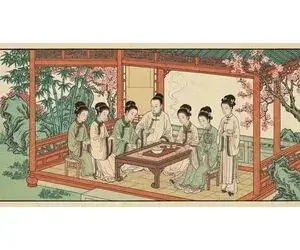
The Art of the Cup of Tea: Ultimate Guide for Enthusiasts
A cup of tea is much more than just a drink; it is a ritual, a tradition, and a moment of comfort. Whether you are a connoisseur or a novice, understanding the nuances of a cup of tea can enrich your taste and cultural experience. From selecting tea types to mastering tea preparation, this comprehensive guide reveals all the secrets to savoring the perfect cup of tea.
1. History and Culture of the Cup of Tea
Tea history is rich and complex, spanning centuries and continents. Originating in China, tea spread to Europe in the 17th century, quickly becoming a prized beverage, particularly in England. Today, tea culture varies considerably from one country to another, with unique traditions and specific preferences. According to Wikipedia, tea is the second most consumed beverage in the world after water.
1.1. The Evolution of the Cup of Tea Through the Ages
From Chinese dynasties to English tea rooms, the cup of tea has undergone many transformations. Initially used for medicinal purposes, it became a symbol of social status and refinement. Tea ceremonies, such as the Japanese tea ceremony, highlight the cultural and spiritual importance of this drink. The cup of tea continues to evolve, with constant innovation in tea blends and tea brewing methods.
1.2. The Cup of Tea in Different Cultures
Each culture brings its own touch to the cup of tea. In England, afternoon tea is a well-established tradition, while in Morocco, mint tea is a symbol of hospitality. In Asia, different tea varieties are consumed depending on the region and the occasion. These cultural variations enrich the experience of the cup of tea and offer a diversity of flavors and rituals.
1.3. Technical Specifications and Analytical Material
The history of the teacup is closely linked to the materials used for its manufacture. From delicate Chinese porcelain to robust English stoneware, each material offers a unique sensory experience. Fine porcelain cups allow for a better appreciation of delicate tea aromas, while ceramic cups retain heat better. The choice of material influences not only the temperature of the drink but also its flavor.
1.4. Comparative Analysis of Pros and Cons
| Material | Pros | Cons |
|---|---|---|
| Porcelain | Fine, lightweight, excellent aroma preservation | Fragile, expensive |
| Ceramic | Robust, good thermal insulation, affordable | May slightly alter taste, less aesthetic than porcelain |
| Glass | Neutral taste, visually appealing, easy to clean | Can be hot to the touch, fragile |
| Cast Iron | Excellent heat retention, durable | Heavy, can rust if poorly maintained, may affect tea taste |
| Stainless Steel | Unbreakable, easy to clean, lightweight | May give a metallic taste, less aesthetic than other materials |
1.5. Specific Buying Considerations
For Bargain Hunters, prioritize affordable and resistant ceramic cups. Impulsive Trendsetters will be attracted by designer glass cups or decorated porcelain. Finally, Luxury Brand Loyalists will opt for fine porcelain cups from renowned brands, synonymous with quality and elegance. It is possible to find tea sets that suit all tastes.
2. Different Tea Types: A World of Flavors
There are a multitude of tea types, each with its own characteristics and flavors. From full-bodied black tea to refreshing green tea, delicate white tea, and complex oolong tea, there is something for everyone. The ideal cup of tea depends on your personal preferences and the occasion.
2.1. Black Tea: The Classic
Black tea is the most consumed type of tea in the world. It is fully oxidized, which gives it its dark color and robust taste. Popular varieties include English Breakfast, Earl Grey, and Darjeeling. Black tea is often served with milk and sugar, but it can also be enjoyed naturally.
2.2. Green Tea: The Beneficial
Green tea is minimally oxidized, giving it a green color and a fresh, grassy taste. It is rich in antioxidants and is renowned for its many benefits. Popular varieties include Sencha, Matcha, and Gunpowder. Green tea is generally consumed without milk or sugar.
2.3. White Tea: The Delicate
White tea is the least processed of all tea types. It is made from young buds covered in white down, which gives it a mild and subtle flavor. White tea is also rich in antioxidants. Popular varieties include Silver Needle and White Peony. White tea is generally consumed naturally.
2.4. Oolong Tea: The Complex
Oolong tea is partially oxidized, giving it a range of flavors from floral to fruity. The degree of oxidation varies considerably from one variety to another. Popular varieties include Tieguanyin and Dong Ding. This tea is often prepared using specific methods to reveal all its complexity.
2.5. Herbal Tea: The Infusion
Herbal teas are not technically teas, as they do not come from the Camellia sinensis plant. They are made from infusions of plants, flowers, fruits, and spices. Herbal teas are naturally caffeine-free and offer a wide variety of flavors and benefits. Popular varieties include chamomile, peppermint, and rooibos.
2.6. Technical Specifications and Analytical Material
The chemical composition of different tea types varies considerably based on their oxidation level and processing methods used. Black tea, for example, contains higher levels of theaflavins and thearubigins, which are responsible for its dark color and robust taste. Green tea is rich in catechins, which are powerful antioxidants. These chemical compounds contribute to the various benefits associated with each tea type.
2.7. Comparative Analysis of Pros and Cons
| Tea Type | Pros | Cons |
|---|---|---|
| Black Tea | Robust taste, stimulating, rich in theaflavins | High caffeine content, can stain teeth |
| Green Tea | Rich in antioxidants, good for cardiovascular health | Sometimes bitter taste, can interfere with iron absorption |
| White Tea | Mild, delicate, very rich in antioxidants | Expensive, subtle flavor that may not please everyone |
| Oolong Tea | Complex flavors, may help with weight loss | Varies considerably in taste, can be difficult to prepare correctly |
| Herbal Tea | Caffeine-free, wide variety of flavors and health benefits | Does not offer the same stimulants as tea, some may have side effects |
2.8. Specific Buying Considerations
Bargain Hunters will opt for affordable brand tea bags for a quick and easy cup of tea. Impulsive Trendsetters will be attracted by exotic tea blends and herbal teas with original flavors. Luxury Brand Loyalists will favor high-quality loose-leaf teas from renowned plantations.
3. Tea Preparation: The Secrets to a Perfect Infusion
Tea preparation is an art that requires patience and precision. Water temperature, steeping time, and water quality are all factors that influence the taste of the cup of tea. Using a quality tea infuser or tea strainer is essential for optimal infusion.
3.1. Water Temperature: A Key Element
Water temperature is crucial to extract flavors without burning the tea. Generally, black tea requires boiling water (100°C), while green and white tea prefer cooler water (70-80°C). Using a temperature-controlled tea kettle is ideal for precise tea infusion.
3.2. Steeping Time: Finding the Right Balance
Steeping time varies depending on the tea type and your personal preferences. Generally, black tea for 3-5 minutes, green tea for 2-3 minutes, and white tea for 1-2 minutes. Steeping for too long can make the tea bitter, while too short a time can leave it bland. Wikipedia.org offers more information.
3.3. Water Quality: A Purer Taste
Water quality has a significant impact on the taste of the cup of tea. It is preferable to use filtered or spring water to avoid impurities and unwanted flavors. Pure water allows for a better appreciation of the delicate tea aromas.
3.4. Technical Specifications and Analytical Material
The pH of the water used for infusion can also affect the taste of the tea. Slightly acidic water (pH below 7) promotes the extraction of aromatic compounds, while alkaline water (pH above 7) can make the tea more bitter. Water hardness, i.e., its mineral content, can also influence the taste and appearance of the tea. Water that is too hard can leave a deposit on the surface and alter its flavor.
3.5. Comparative Analysis of Pros and Cons
| Factor | Importance | Pros | Cons |
|---|---|---|---|
| Water Temperature | Crucial for flavor extraction | Allows to avoid burning tea and preserve its aromas | Incorrect temperature can make tea bitter or bland |
| Steeping Time | Determines taste intensity | Allows to adjust taste to personal preferences | Too long makes tea bitter, too short leaves it bland |
| Water Quality | Impacts taste purity | Avoids impurities and unwanted flavors | Tap water may contain chlorine and other chemicals |
| Equipment | Facilitates infusion and filtration | A quality tea infuser allows for optimal infusion | Poor quality equipment can alter tea taste or be hard to clean |
3.6. Specific Buying Considerations
Bargain Hunters will opt for an affordable electric tea kettle and bulk tea bags. Impulsive Trendsetters will be drawn to designer tea infusers and original tea cups. Luxury Brand Loyalists will favor a fine porcelain teapot and high-quality loose-leaf teas.
4. Tea Recipes: Explore New Flavors
Tea recipes are infinite and allow for exploring new flavors and creating personalized drinks. From creamy tea lattes to refreshing iced teas and original tea blends, there is always a new cup of tea to discover.
4.1. Tea Latte: A Comforting Drink
The tea latte is a hot and creamy drink made with tea and milk. It can be prepared with different tea types, such as black tea, green tea, or chai. Milk can be replaced by a plant-based alternative, like almond or soy milk. A tea latte is often sweetened with honey, maple syrup, or sugar.
4.2. Iced Tea: A Refreshing Beverage
Iced tea is a cold and refreshing drink, ideal for hot days. It can be prepared with different types of tea, such as black tea, green tea, or herbal infusions. Iced tea is often flavored with fruits, herbs, or spices. It can be sweetened with sugar, honey, or syrup.
4.3. Tea Blends: Create Your Own Mixture
Tea blends allow for creating personalized mixtures by combining different types of tea, herbs, spices, and fruits. You can experiment with different combinations to find your perfect cup of tea. Tea blends are an excellent way to express your creativity and personalize your tasting experience.
5. Tea Benefits: More Than Just a Drink
A cup of tea offers many health benefits. Tea is rich in antioxidants, which help protect cells against damage caused by free radicals. Regular tea consumption can reduce the risk of cardiovascular diseases, certain cancers, and neurodegenerative diseases. According to uclahealth.org, tea can also improve concentration and memory.
6. Best Tea Brands: Brands to Discover
There are many best tea brands that offer exceptional quality and diversity. Some brands specialize in high-quality loose-leaf teas, while others offer a wide range of tea bags and tea blends. Discovering the best tea brands can enrich your taste experience and allow you to find your favorite tea types.
7. Tea Time: A Relaxation Ritual
Tea time is a moment of relaxation and conviviality. Whether alone or with friends, taking the time to savor a cup of tea can help reduce stress and improve well-being. Tea time is the occasion to refocus, treat yourself, and share a pleasant moment.
In conclusion, a cup of tea is much more than just a drink. It is an art, a culture, and a source of well-being. Explore different tea types, master tea preparation, and discover tea benefits to fully enjoy this millennial beverage. Discover our tea collection to find your next favorite cup!
 |
Share      |
 Coffe brewing, Tips and Tricks
 Tea brewing, Tips and Tricks
 Wellness & Radiance
 Your Journey to the Perfect Brew
 Your online store