Login with Google
 Login with Facebook
 Login with Twitter
What's the difference between Eau De Toilette (EDTs) & Parfums
Eau de Toilette or Parfum? Unveiling the Differences

The Persistent Charm: Comprehending and Selecting Between Parfum and Eau de Toilette
The terms Parfum and Eau de Toilette (EDT) have long waltzed around fragrance bottles in the aromatic world of personal grooming, suggesting the potency and character of the scent within. The distinctions between these two types of fragrances are important to understand for men who are trying to spice up their morning routine or stand out in a crowd. To help you make sense of them in the aromatic sense, we will explore their composition, uses and hints.
The Essence of Concentration
EDT and Parfum mainly differ in how much fragrance oil they contain. This amount affects how strong the scent is, how long it lasts, and what the smell is like overall.
Parfum (or Extrait de Parfum): This is the most concentrated form of fragrance, usually consisting of 15-30% (but sometimes as much as 40%) of perfume oil. That concentration leads to a rich, high-potency fragrance with the most staying power, frequently lasting on the skin for 6-8 or more hours. Parfum has a richer and more deep-scenting smell, and the base notes usually are very noticeable after a while. Check ou Inasbay's parfum collection.
Eau de Toilette (EDT): Eau de Toilette is the most widely used form of perfume, and it has a lower concentration of the fragrance essence, between 5-15%. 1 This makes it a lighter, fresher, less intense fragrance than Parfum. 2 This EDT fragrance has a long-lasting scent of 2-4 hours, perfect to wear as a day or nighttime fragrance. A scent's top and middle notes frequently are the life of the fragrance, and tend to be a flashier, more fleeting first impression.
Usage: Tailoring Your Scent to the Occasion
The concentration difference naturally lends itself to different usage scenarios:
- Parfum:
- Special Occasions: The luxurious intensity and long-lasting nature of Parfum make it perfect for evenings out, formal events, or any occasion where you want to leave a memorable impression.
- Cooler Weather: The richness and depth of Parfum often resonate beautifully in colder temperatures, where the warmth of the skin can help to project the fragrance effectively.
- Pulse Points: Apply Parfum sparingly to pulse points like the wrists, neck, behind the ears, and décolletage. The warmth of these areas helps to diffuse the scent gradually. A little often goes a long way with Parfum.
- Eau de Toilette:
- Everyday Wear: The lighter and fresher character of EDT makes it an excellent choice for daily use, whether you're heading to work, running errands, or meeting friends during the day.
- Warmer Weather: EDTS tend to feel less heavy and overwhelming in hot and humid conditions, offering a refreshing burst of scent.
- Liberal Application: You can generally be more generous with your application of EDT compared to Parfum. Spritz it on pulse points, as well as on clothing or hair for a more diffused effect (be mindful of delicate fabrics).
- Layering: EDT can be effectively layered with other scented products from the same fragrance line, such as body lotions or shower gels, to enhance its longevity and intensity.
It all comes down to personal preference and the scent in question, and how you would like to use it as the product. Here, some suggestions to help you narrow it down: Think About the Scent Itself:
|  |
Recommendations: Choosing Your Perfect Scent Partner
Concentration dictates note emphasis: Eaux de Toilette favour the lively top and middle, while Parfums deepen the base. Comparing both through sampling is ideal for discerning your preferred scent profile. See Inasbay's EDIT collection
Think About Your Lifestyle and Preferences
- Scent Sensitivity: If you are sensitive to strong fragrances or work in a scent-free environment, an EDT might be a more appropriate choice.
- Desired Impact: Do you want a subtle, everyday aroma or a more impactful and lingering presence? Parfum is the clear winner for the latter.
- Budget: Parfum generally comes with a higher price tag due to its higher concentration of precious perfume oils. If budget is a significant factor, EDT offers a more accessible option.
Practical Tips:
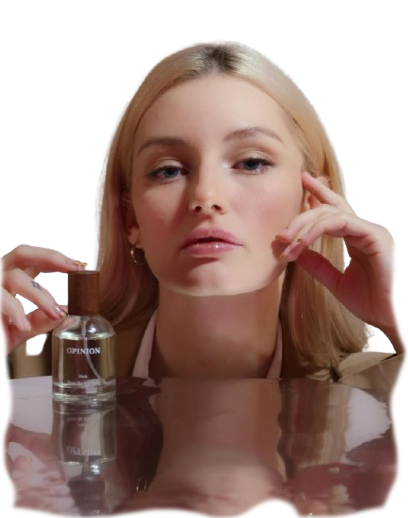 | The Value of Sampling: To best choose between EDT and Parfum, directly test both on your skin and observe how they develop and harmonize with your body's chemistry over several hours. Seasonal Considerations: Lighter EDTs are often best suited for warmer weather, while richer Parfums tend to be more appealing in cooler climates. Leveraging Olfactory Insights: Online reviews can help you understand how long EDT and Parfum versions of a fragrance last and how strong they are, providing extra information for your choice. The Ultimate Arbiter: Personal Preference. The best fragrance choice is the one you enjoy most and that makes you feel confident and comfortable, regardless of objective opinions. |
In Conclusion
Find your signature scent, whether it's the light elegance of an Eau de Toilette or the rich depth of a Parfum. Understanding the nuances of fragrance concentration and application is key to making the perfect choice. Shop a diverse range of Eau de Toilette and Parfum on Inasbay marketplace and begin your fragrance journey.
 |
Share      |
 Coffe brewing, Tips and Tricks
 Tea brewing, Tips and Tricks
 Wellness & Radiance
 Your Journey to the Perfect Brew
 Your online store