


 Login with Google
 Login with Facebook
 Login with Twitter
Anti-Inflammatory Tea
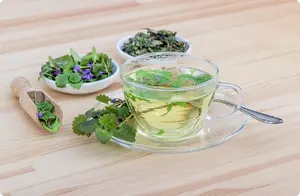
Soothe Inflammation Naturally with Anti-Inflammatory Tea
Inflammation is a natural response to injury or illness, but chronic inflammation can lead to various health problems. Thankfully, incorporating certain teas into your diet can help combat inflammation and promote overall wellness. These teas contain powerful compounds that work to reduce inflammation, ease pain, and boost your immune system.

Understanding Inflammation
Inflammation is the body's way of protecting itself from harm, like infections or injuries. Acute inflammation is a short-term response characterized by redness, swelling, and pain. Chronic inflammation, however, persists over time and can contribute to conditions like heart disease, arthritis, and even some cancers. Making dietary and lifestyle adjustments can help manage chronic inflammation.
Top Anti-Inflammatory Tea Options
Several teas boast significant anti-inflammatory properties, making them excellent additions to a health-conscious lifestyle. Let's explore some of the best options:
Green Tea: The Antioxidant Powerhouse
Green tea is rich in polyphenols, particularly epigallocatechin-3-gallate (EGCG), a potent antioxidant with anti-inflammatory effects. EGCG helps reduce inflammation and oxidative stress, potentially lowering the risk of chronic diseases. Green tea has also demonstrated antibacterial, antiviral, and neuroprotective properties. According to a study published in Food and Nutrition Research, green tea supplementation can positively influence markers of inflammation, antioxidant status, and blood pressure.

To get the most out of green tea, steep tea bags or loose leaves in hot water (160–180°F) for 1–3 minutes. You can also try matcha, a powdered form of green tea with even higher antioxidant content. Discover our premium tea sets for the perfect green tea brewing experience.
Turmeric Tea: The Golden Elixir
Turmeric, a spice widely used in Indian cuisine, contains curcumin, a compound celebrated for its anti-inflammatory benefits. Curcumin helps reduce inflammation and pain by interfering with pathways that lead to these conditions. Turmeric tea may also enhance immune function and protect against oxidative stress. It may also relieve arthritic joint pain and muscle soreness after exercise. To boost curcumin absorption, add a pinch of black pepper to your turmeric tea.

Simmer 1 teaspoon of turmeric powder or grated turmeric root in 2 cups of water for about 10 minutes. Strain, add lemon or honey to taste, and enjoy this vibrant, healthful beverage. Consider combining turmeric with ginger for a more potent anti-inflammatory tea.
Ginger Tea: The Spicy Soother
Ginger contains gingerol and shogaol, phytonutrients with antimicrobial and anti-inflammatory effects. Ginger tea can alleviate inflammation, ease digestive discomfort, and potentially control cholesterol and blood sugar levels. Ginger's anti-inflammatory properties could also be beneficial for osteoarthritis and rheumatoid arthritis.

For a simple ginger tea, simmer 1 tablespoon of fresh, peeled ginger (or 1 teaspoon of powdered ginger) in 2 cups of water for 10 minutes. Strain, and add lemon or honey to taste for a soothing cup of ginger tea anti-inflammatory goodness.
Chamomile Tea: The Calming Infusion
Chamomile tea has been used for centuries to promote tranquility and longevity. Its anti-inflammatory effects can reduce pain, swelling, and redness. Chamomile also supports digestive health and boosts the immune system. Chamomile contains apigenin, an antioxidant that helps calm inflammation in the body.

Steep a tea bag or loose leaves in hot water for five minutes to enjoy chamomile's soothing benefits. Chamomile tea is naturally caffeine-free, making it an ideal bedtime beverage.
Black Tea: The Traditional Choice
Black tea contains theaflavins and thearubigins, flavonoids that reduce inflammation and promote overall health. Black tea's polyphenols support immune function and help control inflammation by reducing oxidative stress. Research indicates that black tea may exert anti-inflammatory and antioxidant effects, particularly in individuals with elevated baseline inflammation.

Brew black tea by steeping a tea bag or loose leaves in hot water for 3-5 minutes. Enjoy it on its own or with milk and sweetener, as preferred.
Rooibos Tea: The South African Treasure
Rooibos tea, also known as red tea, is rich in antioxidants and anti-inflammatory compounds. It contains flavonoids that can significantly reduce symptoms of inflammation and oxidative stress. Rooibos is caffeine-free, making it a great alternative for those looking to cut down on caffeine. This herbal tea for inflammation may also relieve headaches and menstrual cramps.
Steep rooibos tea bags or loose leaves in hot water for 5-7 minutes. Its full body and natural sweetness make it a delightful and healthful choice.
Holy Basil (Tulsi) Tea: The Ayurvedic Adaptogen
Holy basil, also known as tulsi, is revered in Ayurvedic medicine for its wide range of health-promoting properties. It's an adaptogenic herb, thought to help the body counter emotional, environmental, and metabolic stress, all of which can trigger inflammation. Holy basil has anti-inflammatory properties that may reduce blood sugar, cholesterol, and blood pressure levels. Compounds in holy basil may also reduce uric acid levels, alleviating pain from inflammatory conditions like gout and rheumatoid arthritis.
Brew holy basil tea using loose leaves or tea bags, steeping for five minutes. This tea is generally safe for daily consumption in moderation.
Additional Anti-Inflammatory Teas and Ingredients
Beyond the teas listed above, several other herbal teas and spices offer anti-inflammatory benefits:
- Rosehip Tea: Rich in phenolic compounds, it reduces pain and rheumatoid arthritis symptoms.
- Fennel Tea: Contains anti-inflammatory phenolic compounds and may reduce pain, especially menstruation-related pain.
- Cinnamon Tea: Contains anti-inflammatory properties to soothe pain from injuries, exercise, or chronic conditions like arthritis.
- Peppermint Tea: It contains menthol, which has anti-inflammatory and pain-relieving properties, offering relief from joint pain and stiffness.
- Lemongrass Tea: This tea contains citral, a natural painkiller, and has anti-inflammatory properties to ease joint pain associated with arthritis.
- Licorice Root Tea: While it may reduce inflammation, consume it moderately as too much can elevate blood pressure.
Maximizing the Benefits of Anti-Inflammatory Tea
To get the most out of your inflammation relief tea, consider these tips:
- Choose Loose-Leaf Teas: Loose-leaf teas often contain more anti-inflammatory antioxidants than tea bags.
- Steep Properly: Steeping for 5 minutes is generally sufficient to extract most antioxidants.
- Combine Ingredients: Experiment with different teas and spices like cinnamon, cardamom, lemon, or orange for added benefits.
- Store Properly: Teas are made from plants and can spoil over time, so store them properly.
- Add Black Pepper: Pairing turmeric with black pepper significantly enhances curcumin absorption.
Lifestyle Tips to Reduce Inflammation
In addition to drinking anti-inflammatory tea, adopting certain lifestyle habits can help manage inflammation:
- Follow an Anti-Inflammatory Diet: Focus on fruits, vegetables, healthy fats, and whole grains. Reduce processed foods, red meat, and sugary sodas.
- Exercise Regularly: Aim for at least 20 minutes of moderate exercise daily to reduce inflammatory chemicals in the body.
- Prioritize Sleep: Aim for 7-9 hours of quality sleep each night to allow your immune system to perform its anti-inflammatory work.
- Manage Stress: Practice stress-reducing activities like breathwork, meditation, or spending time in nature.
- Consider Cold or Heat Exposure: Controlled exposure to cold or heat can activate hormetic stress, which helps reduce chronic inflammation.
Recipes for Anti-Inflammatory Tea
Here are a few simple recipes to get you started:
Ginger Turmeric Tea
Ingredients:
- 2 cups water
- 1 inch fresh turmeric root, sliced (or 1 tsp ground turmeric)
- 1 inch fresh ginger root, sliced
- 1/4 tsp black pepper
- 1 cinnamon stick (optional)
- 1 tbsp honey or maple syrup (optional)
- Lemon wedge (optional)
Instructions:
- Boil water in a saucepan.
- Add turmeric, ginger, black pepper, and cinnamon stick (if using).
- Reduce heat and simmer for 10 minutes.
- Strain into mugs, sweeten if desired, and garnish with a lemon wedge.
Lemon Ginger Tea
Ingredients:
- 4 cups water
- 1 inch fresh ginger, peeled and sliced
- 1 lemon, sliced
- Honey to taste
Instructions:
- Boil water in a pot.
- Add sliced ginger and thyme sprigs.
- Reduce heat and simmer for 15 minutes.
- Strain into mugs, add lemon slices, and sweeten with honey to taste.
Anti-Inflammatory Tea Infusion
Ingredients:
- 1 cup water
- 1 tablespoon fresh ginger, sliced or grated
- 1 lemon wedge
- 1 orange wedge
- 1 cinnamon stick
- 1 star anise
- 1 teaspoon manuka honey
Instructions:
- Boil water.
- Add ginger, lemon, orange, star anise, honey, and cinnamon stick.
- Simmer for 5-7 minutes.
- Strain and enjoy warm.
The Bottom Line
Incorporating anti-inflammatory tea into your daily routine is a delicious and effective way to combat inflammation and promote overall well-being. From green tea to turmeric tea, each blend offers unique benefits and flavors to suit your preferences. Combine these teas with a healthy lifestyle and balanced diet to maximize their anti-inflammatory effects. [Learn More About This Product](Anti inflamatory tea)
 |
Share      |