Login with Google
 Login with Facebook
 Login with Twitter
Organic Ritual Matcha Tea

Unlocking the Secrets of Organic Ritual Matcha Tea: A Comprehensive Guide

Welcome to the world of Organic Matcha Tea, a vibrant and healthful beverage steeped in tradition. This comprehensive guide will explore the depths of Organic Ritual Matcha Tea, from its origins and preparation to its myriad benefits and how to choose the perfect one for your needs. Whether you're a seasoned tea connoisseur or a curious newcomer, prepare to embark on a journey that will transform your understanding and appreciation of this remarkable green powder. Explore Organic Ritual Matcha [cite: soarorganics.com].
What is Organic Matcha Tea?
Organic Matcha Tea is a finely ground powder made from specially grown and processed green tea leaves. Unlike traditional green tea, where the leaves are steeped in water and then discarded, with matcha, you consume the entire leaf. This unique preparation method results in a more concentrated source of nutrients, antioxidants, and that distinctive vibrant green colour. The term "ritual" often accompanies Organic Matcha Tea because its preparation and consumption are deeply rooted in Japanese tea ceremonies, emphasizing mindfulness and tranquillity. This makes drinking Organic Matcha Tea more than just a beverage; it's an experience.
The History and Tradition of Matcha
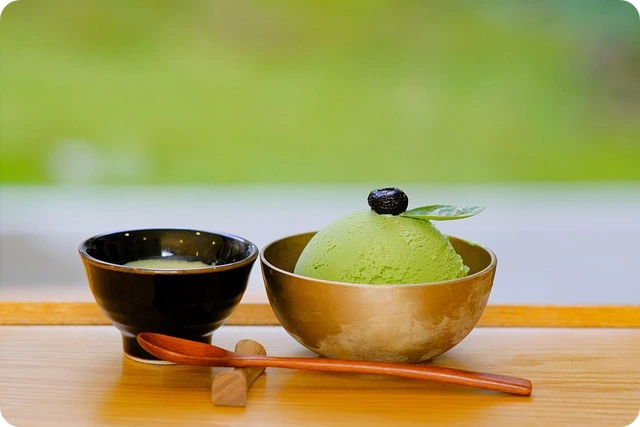
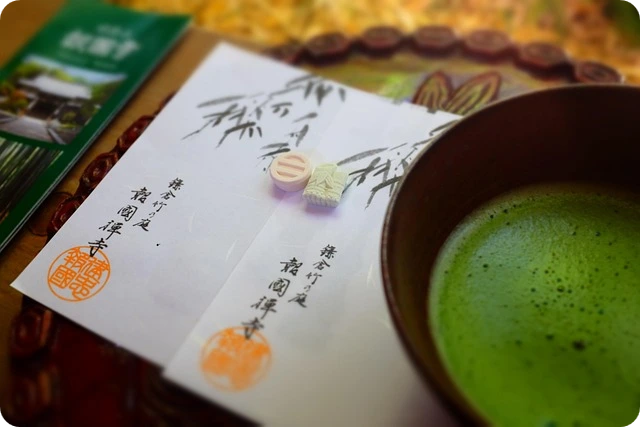
The history of matcha dates back to the 12th century, when Zen Buddhist monks in Japan embraced it as a meditative aid. The practice of preparing and drinking matcha evolved into the elaborate and highly stylized Japanese tea ceremony, also known as chanoyu. This ceremony is not just about enjoying a cup of tea; it's a ritual that embodies harmony, respect, purity, and tranquillity. The meticulous steps involved, from the precise sifting of the vibrant green tea powder to the artful whisking with a matcha whisk (chasen), are all designed to create a serene and mindful experience. While the traditional ceremony remains a cornerstone of Japanese culture, Organic Matcha Tea has also found its way into modern culinary practices and wellness routines around the globe.
Organic vs. Conventional Matcha: What's the Difference?
Choosing organic matcha is a decision that impacts both your health and the environment. Organic Matcha Tea is cultivated without the use of synthetic pesticides, herbicides, or fertilizers. This is crucial because, unlike regular tea, where you discard the leaves, you're consuming the entire leaf with matcha. Therefore, any chemicals used in conventional farming could end up directly in your cup. Opting for organic matcha ensures that you're enjoying a pure, unadulterated product, free from potentially harmful residues. Furthermore, organic farming practices promote soil health, biodiversity, and sustainable land management, making it an environmentally responsible choice.
Decoding Matcha Grades: Ceremonial vs. Culinary
When shopping for Organic Matcha Tea, you'll likely encounter two primary grades: ceremonial and culinary.
- Ceremonial Grade: This is the highest quality matcha, intended for traditional tea ceremonies and for drinking straight. It's made from the youngest, most tender tea leaves, resulting in a premium quality matcha with a vibrant green colour, a smooth, delicate flavour, and a naturally sweet aroma. It boasts a rich umami flavour and lacks bitterness.
- Culinary Grade: This grade is designed for use in cooking and baking. It has a slightly more robust flavour profile that can stand up to other ingredients. Culinary matcha is typically less expensive than ceremonial grade.
While you can certainly use ceremonial-grade matcha in recipes, it's generally recommended to save it for drinking to fully appreciate its nuanced flavour. For lattes, either Superior Ceremonial Matcha or Organic Ceremonial Matcha is recommended to reduce bitterness.
Health Benefits of Organic Matcha Tea
Organic Matcha Tea is more than just a delicious beverage; it's a powerhouse of health benefits.
Antioxidant Powerhouse
Matcha is exceptionally rich in antioxidants, particularly catechins, with EGCG (epigallocatechin gallate) being the most abundant and potent. Antioxidants help neutralize harmful free radicals in the body, reducing oxidative stress and protecting against chronic diseases. Matcha contains up to 137 times more catechins than other types of green tea.
Boosts Energy and Focus
Organic Matcha Tea provides a sustained energy boost without the jitters or crash associated with coffee. This is due to the combination of caffeine and L-theanine, an amino acid that promotes relaxation and mental clarity. L-theanine helps to modulate the effects of caffeine, providing a calm, focused alertness that can last for several hours.
Supports Heart Health
Studies have shown that green tea, similar to matcha, may help prevent heart disease and promote heart health. Matcha can help lower LDL (bad) cholesterol levels, reduce blood pressure, and prevent the oxidation of LDL cholesterol.
May Enhance Brain Function
Matcha has been linked to improvements in cognitive function, including memory, attention, and reaction time. The combination of caffeine and L-theanine in matcha works synergistically to enhance brain function and promote mental clarity.
Other Potential Benefits
- May have cancer-preventing properties
- Strengthens the immune system
- Aids in weight loss by boosting metabolism and increasing fat burning
- Improves skin health due to its anti-inflammatory and antioxidant properties
The Traditional Japanese Tea Ceremony: A Step-by-Step Guide

The traditional Japanese tea ceremony is a beautiful and intricate ritual that emphasizes mindfulness, respect, and harmony. While it may seem daunting at first, you can adapt the key principles to create your own meaningful Organic Matcha Tea ritual at home. A complete matcha ceremony set contains everything you need to prepare the perfect bowl of matcha in the traditional Japanese Tea Ceremony style.
Essential Tools
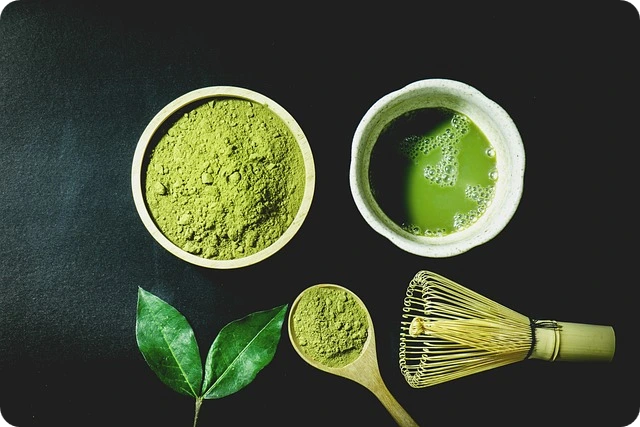
- Matcha Tea Bowl (Chawan): A wide, ceramic bowl designed for whisking matcha.
- Matcha Whisk (Chasen): A bamboo whisk with fine prongs, used to create a smooth, frothy texture.
- Bamboo Scoop (Chashaku): A slender bamboo spoon for measuring the vibrant green tea powder.
- Matcha Sifter (Chakoshi): A fine-mesh sieve to remove lumps and ensure a smooth consistency.
- Whisk Holder (Kusenaoshi): A ceramic holder to preserve the shape of the Matcha Whisk.
Preparation
- Warm the bowl: Fill the chawan tea bowl with hot water and let it sit for a few minutes to warm the bowl. Discard the water and dry the bowl thoroughly.
- Sift the matcha: Place 1-2 scoops of Organic Matcha Tea into the sifting matcha and gently sift it into the bowl. This step is crucial for preventing clumps and ensuring a smooth, frothy beverage.
- Add water: Pour about 2-3 ounces of hot water (around 175°F or 80°C) into the bowl. Avoid using boiling water, as it can make the matcha taste bitter.
- Whisk: Hold the matcha whisk loosely and whisk vigorously in a "W" or "M" shaped motion. The goal is to create a fine, even froth on the surface of the tea.
- Enjoy: Once the matcha is whisked to a frothy consistency, take a moment to appreciate its vibrant green colour and earthy aroma. Then, mindfully sip and savour the unique flavour.
Modern Matcha Preparation: Quick & Easy Methods
While the traditional tea ceremony is a beautiful practice, it's not always practical for everyday life. Fortunately, there are several quick and easy ways to enjoy Organic Matcha Tea without sacrificing flavour or benefits.
The Basic Matcha Drink
Mix 1-2 teaspoons of matcha powder with a small amount of hot water to form a paste. Then, add 75-100 ml of water (75-80 °C) and stir.
Matcha Latte

This is a popular option for those who prefer a creamier, sweeter beverage. Simply whisk the matcha with a small amount of hot water as described above, then add steamed milk (dairy or non-dairy) and sweeten to taste.
Iced Matcha Latte
Prepare the matcha concentrate as for a hot latte, then pour it over ice and top with cold milk.
Matcha Smoothie
Add a teaspoon or two of Organic Matcha Tea to your favourite smoothie recipe for a boost of antioxidants and energy. A matcha latte smoothie can be made with garbanzo beans, Greek yogurt, coconut milk, bananas, honey and matcha.
Incorporating Matcha into Your Daily Routine
Organic Matcha Tea is a versatile ingredient that can be incorporated into various aspects of your daily routine, not just as a beverage.
Culinary Uses
- Add matcha to baked goods like cakes, cookies, and muffins.
- Use it to flavour ice cream, yogurt, and other desserts.
- Sprinkle it on top of smoothie bowls or oatmeal.
- Incorporate it into savoury dishes like sauces and dressings.
Matcha Skincare Benefits
The antioxidant and anti-inflammatory properties of matcha make it a beneficial ingredient in skincare products.
- Look for matcha-infused face masks, cleansers, and moisturizers.
- Create your own DIY face mask by mixing matcha powder with honey or yogurt.
Expert Buying Considerations for Organic Matcha Tea
Choosing the right Organic Matcha Tea can be overwhelming, but here are some key factors to consider:
Origin
Authentic Japanese Matcha is highly prized for its quality and flavour. Look for matcha that is sourced from renowned tea-growing regions in Japan, such as Uji in Kyoto.
Grade
Determine whether you need ceremonial or culinary grade matcha based on your intended use.
Color
High-quality matcha should have a vibrant green colour, indicating a high chlorophyll content.
Aroma
Premium quality matcha should have a fresh, slightly sweet, and vegetal aroma.
Texture
The stone-ground matcha should be ultra-fine and smooth, without any grittiness.
Certifications
Look for organic matcha farms that are certified organic by a reputable organization, such as JAS (Japan Agricultural Standard) or USDA Organic.
Sourcing
Consider brands that prioritize sustainable matcha sourcing and ethical farming practices. Also, make sure that farmers receive fair compensation.
The Future of Organic Matcha Tea
As consumers become increasingly health-conscious and environmentally aware, the demand for Organic Matcha Tea is expected to continue to grow. The industry is likely to see further innovations in cultivation and processing methods, as well as a greater emphasis on sustainability and ethical sourcing. Moreover, the versatility of matcha will likely lead to its incorporation into an even wider range of food, beverage, and skincare products.
Conclusion
Organic Matcha Tea is a remarkable beverage that offers a unique combination of flavour, tradition, and health benefits. Whether you're seeking a sustained energy boost, a moment of mindful tranquillity, or a versatile ingredient for your culinary creations, matcha has something to offer. By understanding its history, preparation, and buying considerations, you can unlock the full potential of this calming matcha beverage and incorporate it into your daily routine for a healthier and more fulfilling life. Visit InasBay to explore Organic Ritual Matcha [cite: soarorganics.com] and embark on your own matcha journey.
 |
Share      |
 Coffe brewing, Tips and Tricks
 Tea brewing, Tips and Tricks
 Wellness & Radiance
 Your Journey to the Perfect Brew
 Your online store