


 Login with Google
 Login with Facebook
 Login with Twitter
Organic Tea Canada

Organic Tea Canada: Your Guide to Premium Wellness
Discover the purest path to rejuvenation with Organic Tea Canada. As more Canadians prioritize health-conscious living and sustainable choices, premium organic tea has evolved from a niche preference into a daily wellness essential. Whether you are seeking the grounding comfort of a soothing herbal blend or the revitalizing boost of pure green tea, choosing certified organic ensures you consume a product free of synthetic pesticides, fertilizers, and GMOs. At Inasbay, we believe that every cup should be an act of self-care, connecting you to nature’s finest botanicals.
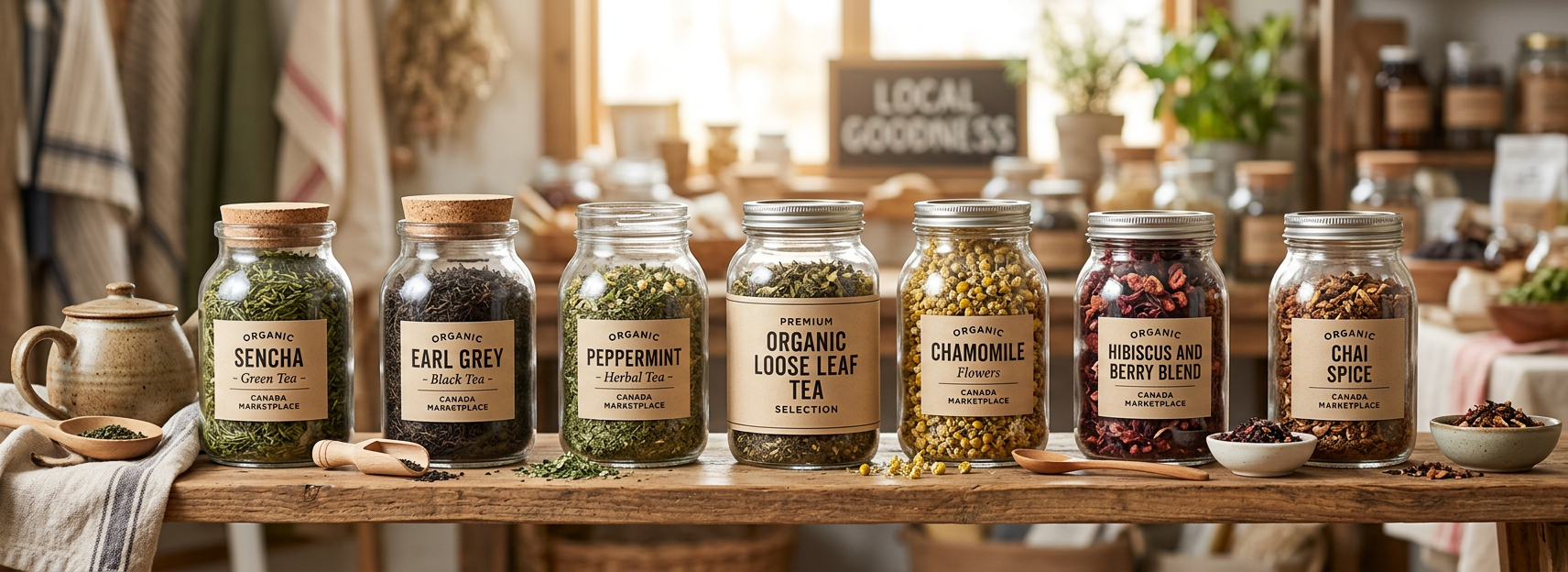 A beautifully arranged selection of organic loose leaf tea in glass jars, alt text: Premium selection of organic loose leaf tea, Canada marketplace.
Quick Answer: Why Choose Organic Tea?
Organic tea is cultivated using sustainable farming practices that prohibit synthetic pesticides and chemical fertilizers. By choosing organic, you ensure your beverage is free from harmful residues, often resulting in higher antioxidant levels and a cleaner, more authentic flavor profile. It is a safer, eco-friendly choice for your daily wellness ritual.
What is Organic Tea?
Organic tea refers to tea leaves (from the Camellia sinensis plant) or herbal infusions that have been grown, harvested, and processed according to strict organic standards. In Canada, these standards are governed by the Canada Organic Regime, which mandates that certified products must avoid synthetic chemicals and promote biodiversity and soil health. When you buy organic tea online in Canada, you are choosing a product that respects both your body and the environment.
Why Organic Tea Matters for Your Health
The shift toward natural organic tea is driven by growing awareness of the impact of agricultural chemicals on human health. According to research published in the Journal of Microbiology and Virology, tea naturally contains polyphenols and catechins—powerful antioxidants that help combat oxidative stress and inflammation.
Key Benefits of Choosing Organic
- Purity: No synthetic pesticides or chemical fertilizers.
- Nutritional Integrity: Organic farming methods can enhance the mineral content and nutritional profile of the leaves.
- Environmental Impact: Supports sustainable farming, protects pollinators, and promotes soil fertility.
- Non-GMO: All certified organic teas are strictly non-genetically modified.
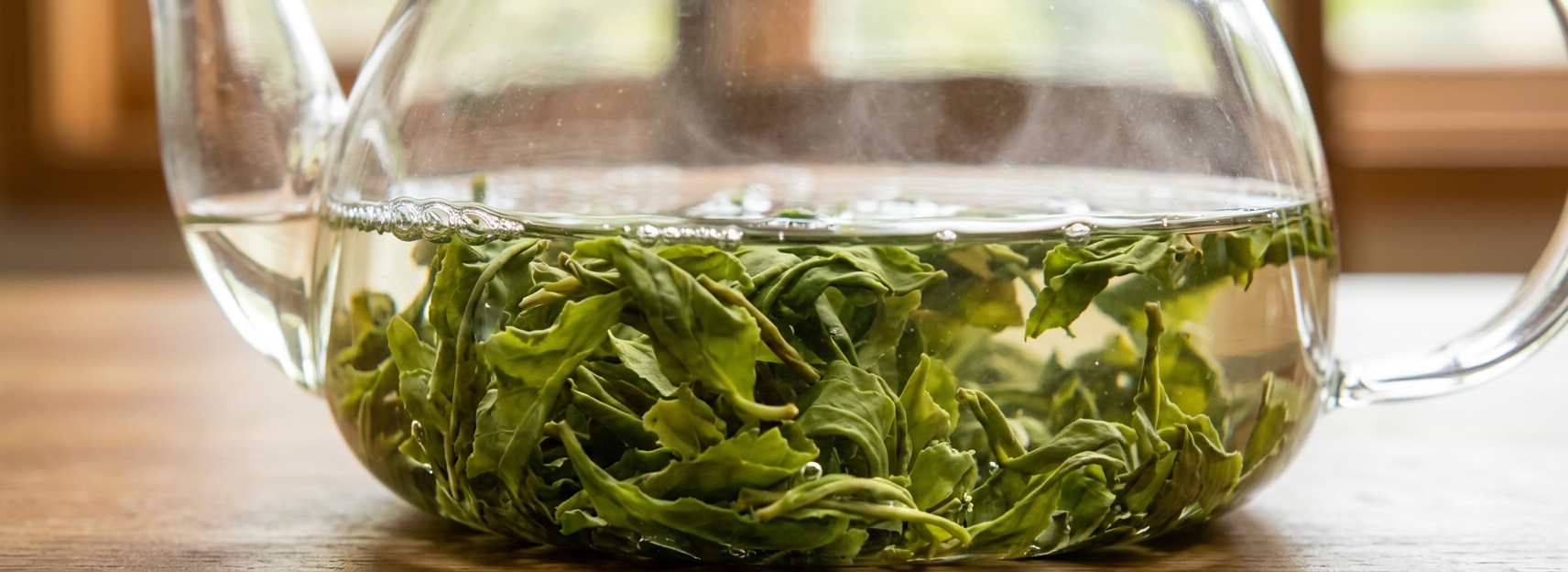 A close-up of vibrant green organic tea leaves being steeped in hot water, alt text: High-quality organic green tea leaves unfurling in a teapot.
How to Choose the Best Organic Tea in Canada
Navigating the world of tea can be overwhelming. To ensure you are getting the premium organic tea Canada has to offer, follow these expert tips:
1. Look for Certification
Always verify that the product carries a recognized organic certification logo. In Canada, look for the "Canada Organic" seal, which validates that the product has met federal standards for organic production.
2. Prioritize Loose Leaf
While tea bags are convenient, Organic loose-leaf tea is often superior in quality. Loose-leaf tea typically consists of whole or large-cut leaves, which provide more surface area for complex flavor development and preserve the essential oils better than the "dust" or "fannings" found in many commercial tea bags.
3. Check the Origin and Harvest Date
Reputable shops provide transparency. Knowing where your tea is sourced—and when it was harvested—is a mark of a trusted supplier. Freshness directly impacts both the flavor and the potency of the antioxidants.
The Ritual of Brewing: A Step-by-Step Guide
To unlock the full potential of your organic tea blends, proper brewing is essential:
- Use Filtered Water: Tea is mostly water; using high-quality, filtered water ensures the purest flavor.
- Mind the Temperature: Avoid boiling water for green and white teas, as it can scorch the leaves. Use 75°C–80°C for green, and 90°C–95°C for black or herbal teas.
- Steep with Patience: Follow recommended steep times (usually 2–3 minutes for green, 3–5 minutes for black). Over-steeping can release excess tannins, leading to bitterness.
- Cover Your Cup: This traps the aromatic essential oils, keeping them in your cup rather than letting them evaporate with the steam.
 A steaming cup of herbal tea sitting next to a book and a cozy blanket, alt text: Relaxing wellness tea ritual with a cup of organic herbal tea.
Trends in the 2026 Tea Market
As we move through 2026, consumer preferences are shifting toward functional wellness teas. People are increasingly using tea as a tool for specific outcomes: energy, focus, relaxation, or digestive support. The demand for caffeine-free alternatives like Rooibos and high-quality herbal infusions is reaching an all-time high as Canadians look for ways to manage stress and improve sleep hygiene.
Comparison: Organic vs. Conventional Tea
| Feature | Organic Tea | Conventional Tea |
| Pesticides/Chemicals | Strictly Prohibited | Often Used |
| Soil Health | Focused on Sustainability | Often Depleted |
| Antioxidant Levels | Typically Higher | Can be Lower |
| Processing | Natural/Minimal | May Include Synthetic Additives |
Frequently Asked Questions (FAQs)
Where can I buy organic tea online in Canada?
You can buy premium organic teas directly from trusted online marketplaces like Inasbay, which offers a curated selection of ethically sourced, high-quality teas delivered right to your door.
Is organic tea healthier than regular tea?
Yes, many experts believe organic tea is healthier because it eliminates the risk of consuming synthetic pesticide residues. Additionally, studies suggest that organic farming can lead to higher levels of certain beneficial antioxidants.
How do I verify if tea is certified organic?
Check the packaging for the "Canada Organic" logo. Any company claiming to be organic in Canada must be certified by a body accredited by the Canadian Food Inspection Agency (CFIA).
What is the best organic tea for relaxation?
Chamomile, lavender, and valerian root blends are excellent for relaxation. These naturally caffeine-free herbal infusions help calm the nervous system and prepare the body for rest.
Is loose-leaf organic tea better?
Yes, Loose-leaf organic tea is generally considered superior because it uses whole, high-grade leaves that maintain their essential oils and flavor complexity, unlike the broken particles found in standard tea bags.
How do I brew organic loose-leaf tea?
Use about one teaspoon of tea per cup of hot water. Steep for 3–5 minutes, depending on the variety, and use an infuser or strainer to remove the leaves once the desired strength is achieved.
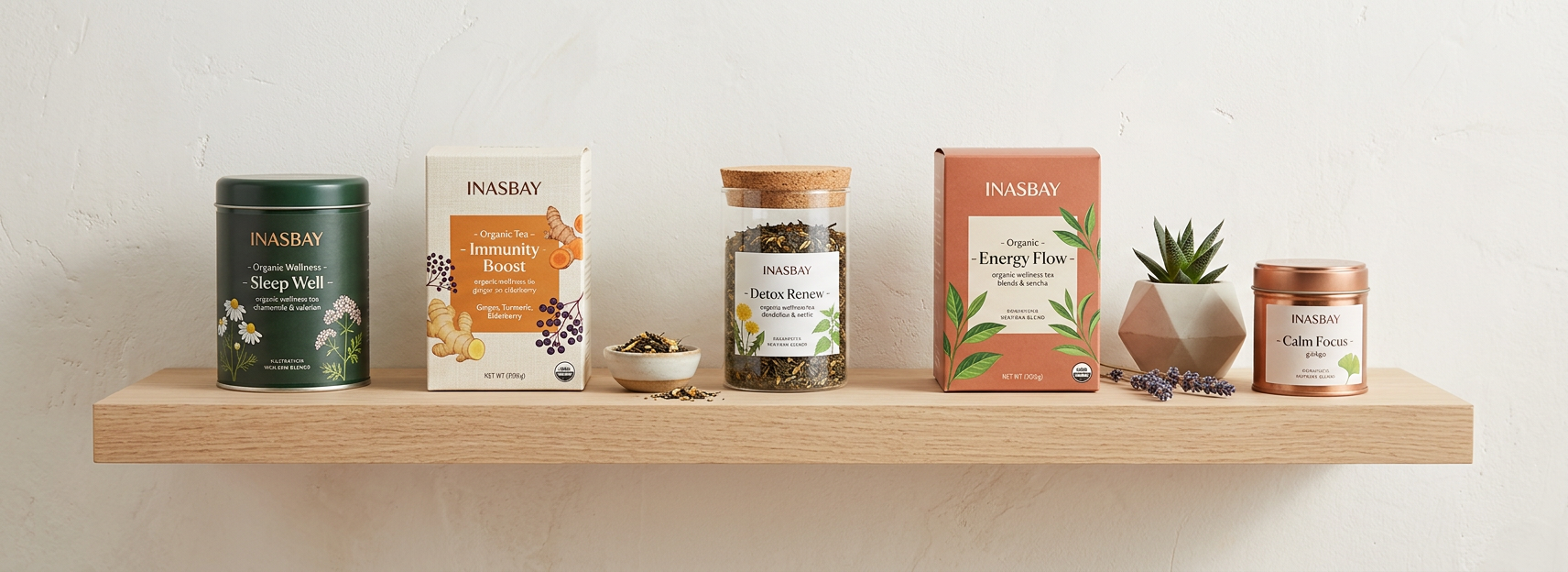 A selection of beautifully packaged organic tea products on a minimalist shelf, alt text: Inasbay organic tea collection featuring various wellness tea blends.
Key Takeaways
- Certification Matters: Always look for the Canada Organic logo.
- Quality First: Choose loose-leaf tea for a richer, more nutrient-dense experience.
- Wellness Focus: Integrate tea into your daily routine to support energy, digestion, or relaxation.
- Sustainable Sourcing: Supporting organic brands promotes healthier ecosystems and fairer practices.
Conclusion: Elevate Your Daily Ritual
Choosing Organic Tea Canada is more than a beverage purchase; it is a commitment to your health and the planet. By prioritizing pure, sustainable, and high-quality ingredients, you transform a simple habit into a powerful wellness ritual. Whether you are starting your morning with a vibrant green tea or winding down with a calming herbal infusion, the quality of your tea matters. Explore the full range of Inasbay’s premium organic tea collection and experience the difference that purity and passion make in every sip.
 |
Share      |