


 Login with Google
 Login with Facebook
 Login with Twitter
Coffee beans

The Ultimate Guide to Choosing the Best Coffee Beans
Are you tired of brewing a morning cup of coffee that tastes bitter, flat, or just overwhelmingly average? You invest in high-end coffee makers, carefully measure your water, and wait patiently for the brew, only to be disappointed. The harsh truth is that no amount of brewing technique can fix poor-quality, stale ingredients. The secret to a truly transformative cup of coffee doesn't lie in the machine—it lies within the coffee beans themselves.
In a market flooded with confusing terminology like "single origin," "specialty-grade," and "fair trade," finding the right freshly roasted coffee can feel like navigating a maze. But understanding how to select, store, and brew whole bean coffee is the ultimate game-changer for your daily ritual.
Whether you are looking for the best coffee beans for espresso, a smooth medium roast coffee for your morning drip, or seeking to explore the luxury selections at Inasbay, this comprehensive guide will transform you from a casual drinker into an at-home barista. Let’s dive into the rich, aromatic world of premium coffee beans.
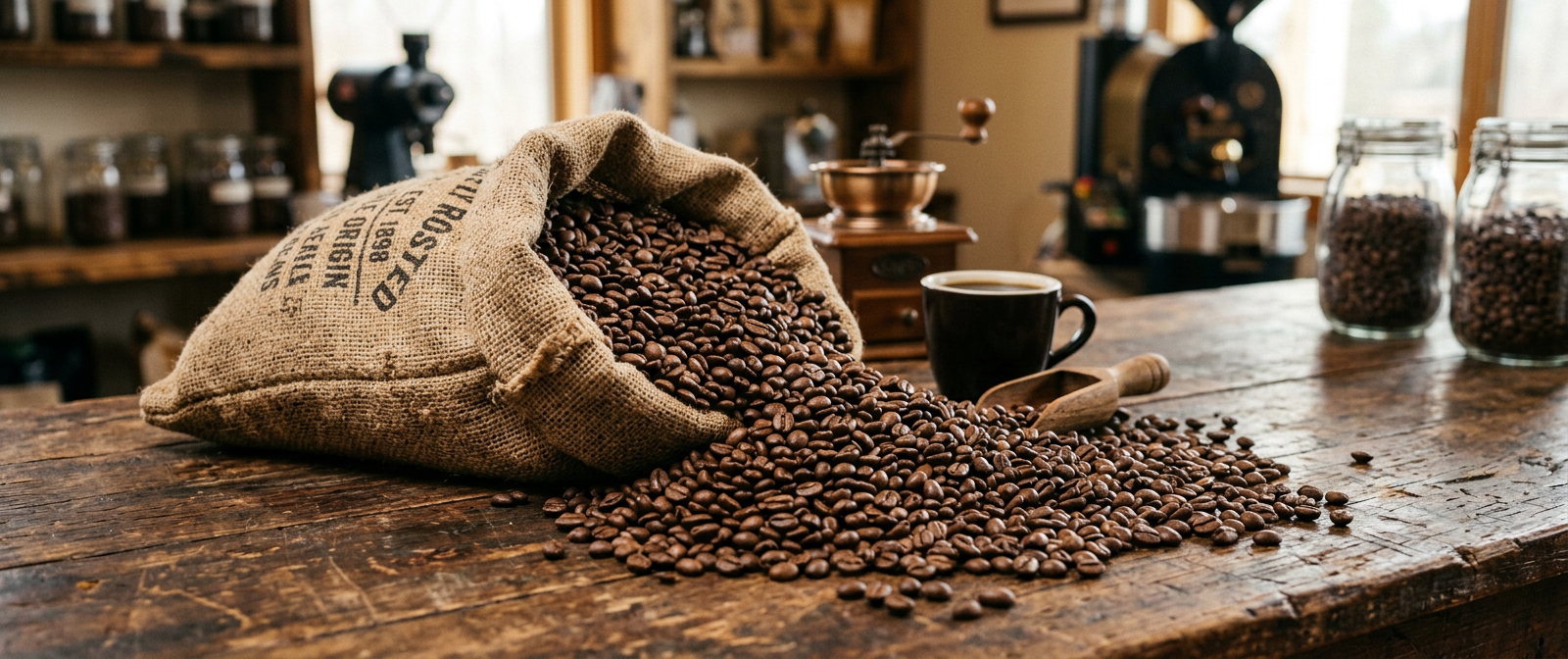 Freshly roasted coffee beans overflowing from a burlap sack on a rustic wooden table.
Quick Answer Box: What Are Coffee Beans?
What are coffee beans?
Coffee beans are not actually beans; they are the seeds (or pits) found inside the fruit of the Coffea plant, known as a coffee cherry. Once harvested, these seeds are processed, dried, and roasted at high temperatures to develop the complex coffee flavor profile, aroma, and essential oils that we extract during brewing.
What Are Coffee Beans? A Deep Dive
To truly appreciate specialty coffee, we must start at the source. The journey of artisan coffee beans begins near the equator, in an area known as the "Bean Belt." Here, coffee plants produce small, bright red or yellow fruits called coffee cherries.
Inside almost every cherry lie two seeds, pressed flat against each other. These green seeds are carefully extracted through either a "washed" (wet) process, which highlights coffee acidity and clean flavors, or a "natural" (dry) process, which infuses the seed with the fruity sweetness of the cherry's mucilage. The green seeds are then shipped to a coffee roastery, where they undergo the miraculous transformation into the aromatic roasted coffee beans we know and love.
Why Quality Coffee Beans Matter
Choosing high-quality coffee beans is not just about avoiding a bitter taste; it impacts everything from your health to global sustainability.
Health Benefits and Antioxidants
Coffee is one of the most widely consumed beverages globally, and for good reason. According to the Harvard T.H. Chan School of Public Health, regular consumption of coffee is linked to a reduced risk of cardiovascular disease, type 2 diabetes, and certain neurological conditions. These benefits are heavily tied to the high concentration of polyphenols and antioxidants found in fresh coffee beans. However, as coffee sits pre-ground on supermarket shelves, it oxidizes, losing both its vibrant flavor and some of its beneficial compounds.
The Economic and Global Impact
The coffee industry is massive. Based on data published by Statista, the global coffee market generates hundreds of billions of dollars annually. By choosing ethically sourced coffee beans and fair trade coffee beans, consumers directly support the livelihoods of farmers in developing nations. Buying specialty-grade coffee ensures that farmers receive a premium price for their meticulous agricultural practices, promoting sustainable coffee farming for future generations.
 A farmer's hands holding freshly harvested red coffee cherries in a lush coffee-growing region.
Key Features of Premium Coffee Beans
When you set out to buy fresh coffee beans, understanding a few key features will help you decode the label and find the perfect match for your palate.
1. Arabica vs. Robusta Coffee Beans
The two primary species of coffee cultivated globally are Arabica (Coffea arabica) and Robusta (Coffea canephora).
- Arabica Coffee Beans: These account for about 60-70% of global production. Grown at high altitudes, Arabica beans are prized for their smooth, complex flavor profiles, bright acidity, and notes ranging from chocolate to delicate florals. They have about half the caffeine of Robusta.
- Robusta Coffee Beans: Grown at lower altitudes, Robusta is hardier and more disease-resistant. It yields a harsher, more bitter taste with woody or rubbery tasting notes, but it boasts a thick coffee body and a massive caffeine punch. It is often used in traditional Italian espresso coffee beans to create a rich crema.
2. Single Origin Coffee vs. Coffee Blends
- Single Origin Coffee Beans: These beans come from one specific geographic location—a single country, region, or even a specific farm. They are celebrated for their unique, unadulterated flavor profiles that reflect their specific terroir (soil, climate, and elevation). For example, Ethiopian beans are famously fruity and floral, while Colombian beans are nutty and balanced.
- Coffee Blends: Blends combine beans from multiple origins to create a consistent, well-rounded flavor profile year-round. A skilled roaster will blend beans to balance coffee acidity, sweetness, and body.
Coffee Roast Profiles Explained
The roasting process is where chemistry meets art. How long and how hot the beans are roasted dramatically alters their taste, aroma, and body.
Light Roast Coffee Beans
- Appearance: Light brown, dry surface (no oil).
- Flavor Profile: Bright, highly acidic, and complex. Light roasts retain the most characteristics of their origin, offering floral, citrus, or berry tasting notes.
- Best For: Pour-over coffee, specialty coffee enthusiasts looking to taste the bean's true origin.
Medium Roast Coffee Beans
- Appearance: Medium brown, slightly sweeter aroma, rarely any oil on the surface.
- Flavor Profile: The ultimate middle ground. Medium roasts balance the bright acidity of a light roast with the deeper, caramelized sugars of a darker roast. Expect notes of milk chocolate, nuts, and brown sugar.
- Best For: Drip coffee, French press, and everyday home brewing.
Dark Roast Coffee Beans
- Appearance: Dark brown to nearly black, shiny and oily surface.
- Flavor Profile: Bold, heavy body, and low acidity. The flavor is dominated by the roasting process itself, offering smoky, dark chocolate, or molasses notes.
- Best For: Espresso brewing, traditional automatic coffee machines, and those who love strong, robust coffee with milk.
 A gradient display of coffee beans ranging from light, unroasted green beans to dark, oily roasted espresso beans.
How to Choose Coffee Beans by Brewing Method
To extract the best possible flavor, you must pair your brewing method with the right bean. Here is a definitive coffee beans buying guide based on how you brew.
Best Coffee Beans for Espresso
Espresso brewing uses high pressure and fine grounds to extract a concentrated shot. The best coffee beans for espresso are typically medium-dark to dark roasts. A dedicated espresso roast often incorporates a small percentage of high-quality Robusta to enhance the crema and provide a bold flavor that cuts through milk in lattes and cappuccinos.
Best Coffee Beans for French Press
The French press is an immersion brewing method that produces a heavy, rich cup. The best coffee beans for French press are medium to dark roasts. Because the coffee steeps in water for several minutes, beans with lower acidity and heavier bodies (like those from Sumatra or Brazil) shine in this method.
Best Coffee Beans for Pour Over
Pour-over coffee methods (like the V60 or Chemex) use paper filters that trap oils, resulting in a clean, delicate cup. The best coffee beans for pour over are light roast coffee beans or single origin Arabica beans. This method perfectly highlights the nuanced floral and fruity coffee tasting notes found in Ethiopian or Kenyan coffees.
Best Coffee Beans for Cold Brew
Cold brewing extracts flavor slowly over 12-24 hours using cold water, naturally minimizing acidity and bitterness. The best coffee beans for cold brew are medium-dark to dark roasts. The slow extraction pulls out rich chocolatey, nutty, and earthy flavors, making for an incredibly smooth coffee.
Step-by-Step Guide: How to Store Coffee Beans
Even the best organic coffee beans will taste terrible if they are stale. Coffee beans have four major enemies: oxygen, heat, light, and moisture.
- Keep them Whole: Always buy whole bean coffee. Coffee begins to rapidly degrade and lose its aroma within 30 minutes of grinding.
- Use an Airtight Container: Store your beans in an opaque, airtight container. Mason jars look nice, but if left on the counter, light will degrade the beans.
- Find a Cool, Dark Place: Store the container in a pantry or cupboard away from the oven or direct sunlight.
- Avoid the Fridge: Should coffee beans be kept in the refrigerator? No. Moving beans in and out of the fridge causes condensation (moisture) to form on the beans, which ruins their flavor and can introduce mould.
 A person grinding fresh whole coffee beans in a premium burr coffee grinder.
Common Mistakes to Avoid
- Buying Pre-Ground Coffee: Pre-ground coffee loses its essential volatile oils before it ever reaches your cup. Always use a quality burr coffee grinder at home.
- Ignoring the Roast Date: Don't look for a "best by" date; look for a "roasted on" date. Freshly roasted coffee is best consumed between 7 and 30 days after roasting.
- Using Boiling Water: Pouring violently boiling water (212°F / 100°C) over coffee grounds scorches them, leading to a bitter, ashy taste. The ideal water temperature is between 195°F and 205°F.
Comparison: Arabica vs. Robusta
Understanding the difference between the two main types of coffee is crucial for making an informed purchase.
| Feature | Arabica Coffee Beans | Robusta Coffee Beans |
| Taste Profile | Smooth, sweet, fruity, floral, complex | Harsh, earthy, woody, bitter |
| Acidity | Higher, brighter | Lower |
| Caffeine Content | ~1.2% to 1.5>#/span### | ~2.2% to 2.7>#/span### |
| Sugar & Lipids | Double the sugar, high in lipids | Lower sugar, lower lipid content |
| Best Used For | Specialty coffee, pour-over, drip | Espresso blends, instant coffee |
| Price | Generally more expensive | Generally cheaper |
2026 Expert Insights & Trends in the Coffee Industry
As we look toward the future of the coffee industry in 2026, consumer preferences and environmental realities are reshaping what is considered the "best."
According to the World Coffee Research organization, climate change is severely impacting traditional coffee-growing regions. In response, we are seeing a massive shift toward climate-resilient coffee cultivars and sustainable farming practices.
Consumers are also demanding radical transparency. Expect to see blockchain technology tracking ethically sourced coffee beans from the specific farmer's plot directly to your local coffee roastery. Furthermore, the demand for premium organic coffee beans online continues to surge as home baristas seek chemical-free, exceptionally clean tasting notes for their daily brews. If you are looking to elevate your home cafe experience with top-tier equipment and beans, explore the curated selections at Inasbay's Cafe Collection.
Actionable Strategies for Better Home Brewing
Ready to upgrade your morning cup? Follow these actionable strategies to get the most out of your high-quality coffee beans:
- Invest in a Burr Grinder: A burr grinder crushes beans to a uniform size, unlike a blade grinder which chops them unevenly. Uniform grounds mean even extraction and better flavor.
- Weigh Your Coffee: Stop using scoops. Use a digital kitchen scale. A standard golden ratio is 1:15 (1 gram of coffee for every 15 grams of water).
- Mind Your Water: A cup of coffee is 98% water. If your tap water tastes bad, your coffee will taste bad. Use filtered water for a noticeably cleaner coffee flavor profile.
- Grind Just Before Brewing: When should I grind coffee beans? Exactly 30 seconds before you intend to brew. This preserves the delicate coffee aroma that is lost to oxidation.
Summary / Key Takeaways
For quick reference, here are the essential facts for finding the best coffee beans:
- Whole Beans Win: Always purchase whole coffee beans rather than pre-ground to maximize coffee freshness.
- Arabica vs. Robusta: Choose Arabica for smooth, complex flavors; choose blends with Robusta for strong espresso with thick crema.
- Roast Levels: Light roasts offer bright, fruity flavors; medium roasts provide balanced sweetness; dark roasts deliver bold, smoky, low-acid profiles.
- Storage Rules: Store beans in an opaque, airtight container in a cool, dry place—never in the fridge.
- Brewing Match: Match your roast to your method (e.g., light roast for pour-over, dark roast for French press or cold brew).
 A steaming cup of perfectly brewed black coffee next to a scattered handful of premium roasted coffee beans.
Frequently Asked Questions (FAQ)
What are the best coffee beans?
The "best" coffee beans depend on your brewing method and personal taste. However, specialty-grade, 100% Arabica, freshly roasted whole beans from a reputable coffee roastery are universally considered the highest quality for flavor and aroma.
What is the difference between Arabica and Robusta coffee beans?
Arabica beans are grown at higher altitudes and offer complex, sweet, and fruity flavor profiles with lower caffeine. Robusta beans are hardier, contain nearly double the caffeine, and have a stronger, harsher, and more bitter flavor often used in espresso blends.
Which coffee beans are best for espresso?
Medium-dark to dark roast coffee beans are best for espresso. These roasts are more porous, making them easier to extract quickly under high pressure, and they offer the bold, rich flavors of chocolate and caramel that pair perfectly with steamed milk.
How long do coffee beans stay fresh?
Unopened, whole coffee beans stored in a valve-sealed bag can last 3-5 months. Once opened, freshly roasted coffee is at its peak flavor for about 2 to 4 weeks. After a month, the beans will rapidly lose their volatile aromas and taste stale.
Should coffee beans be kept in the refrigerator?
No, you should never store coffee beans in the refrigerator. The fluctuating temperatures cause condensation, introducing moisture to the beans, which degrades their flavor quickly and can cause them to absorb odors from other foods.
What makes coffee beans taste bitter?
Bitterness is usually caused by over-extraction (brewing too long or grinding too fine), using water that is too hot (above 205°F), or using very dark roast coffee beans that have been roasted until their sugars are charred.
What coffee beans are less acidic?
If you want smooth coffee with low bitterness and low acidity, opt for dark roast coffee beans. Additionally, beans sourced from regions like Sumatra, Brazil, or India naturally feature lower acidity compared to high-altitude African coffees. Cold brewing also reduces acidity by up to 60%.
Where can I buy freshly roasted coffee beans?
The best places to buy fresh coffee beans are directly from local artisan roasters or specialized premium online retailers. Ensure the bag lists a "roasted on" date rather than a generic expiration date to guarantee coffee freshness.
Conclusion
Choosing the right coffee beans is an exciting journey of flavor discovery. By moving away from mass-produced, stale supermarket grounds and embracing freshly roasted, specialty whole bean coffee, you elevate a mundane morning routine into an artisanal experience.
Remember that the perfect cup requires harmony between the bean's origin, its roast profile, proper storage, and your chosen brewing method. Whether you crave the bright, fruity notes of a light roast pour-over or the bold, chocolatey punch of an espresso shot, understanding the fundamentals of coffee will empower you to brew like a pro.
Ready to completely transform your home brewing setup and discover premium coffee beans online? Explore the exceptional tools, beans, and lifestyle accessories designed for true coffee lovers at Inasbay. Your perfect cup of coffee is just a fresh grind away.
 |
Share


|