


 Login with Google
 Login with Facebook
 Login with Twitter
Drinking raspberry leaf tea

In our fast-paced modern world, finding a moment of calm can feel like a luxury. Many are turning to traditional botanical rituals to ground themselves, and at the heart of this movement is drinking raspberry leaf tea. Revered for centuries by herbalists, this earthy, robust infusion has transcended its traditional roots to become a cornerstone of the contemporary wellness lifestyle. Whether you are seeking a caffeine-free alternative to your morning brew or a soothing ritual to end your day, understanding the unique profile of this botanical powerhouse is the first step toward a more balanced daily routine.
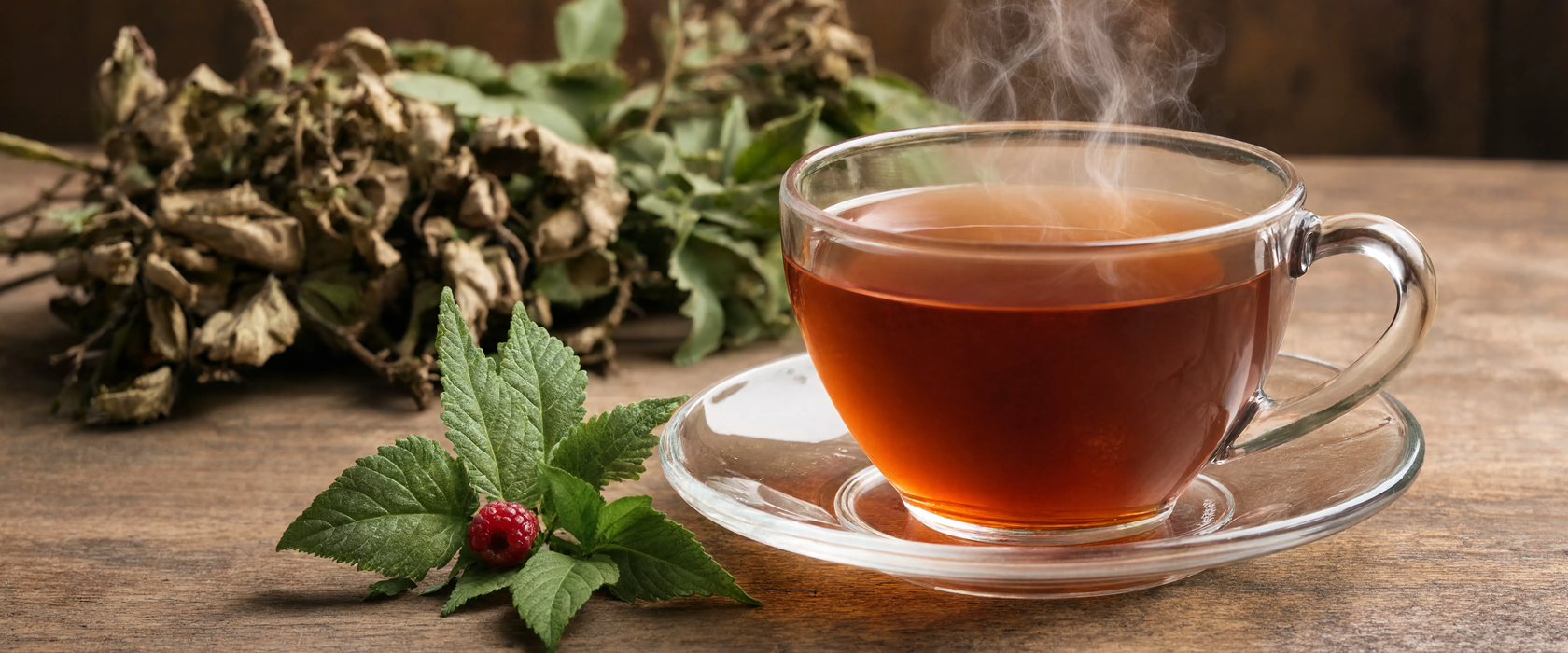 A steaming cup of golden-red raspberry leaf tea resting on a wooden table with dried leaves in the background
What is Raspberry Leaf Tea?
Drinking raspberry leaf tea is more than just a habit; it is an engagement with a storied botanical tradition. Derived from the leaves of the Rubus idaeus plant—the same plant that produces those tart, delicious berries—this herbal infusion is distinct from the fruit itself. Unlike fruit-flavoured teas, the leaves possess a flavor profile often compared to a mild, earthy black tea, making it a sophisticated, caffeine-free beverage.
Quick Answer: Why Drink Raspberry Leaf Tea?
Raspberry leaf tea is a nutrient-dense, caffeine-free herbal infusion cherished for its traditional use in supporting women’s wellness. Rich in antioxidants and minerals like magnesium, potassium, and iron, it acts as a soothing tonic that helps promote relaxation and hormonal balance, making it a staple for those seeking natural, plant-based self-care solutions.
The Science and Tradition: Why Raspberry Leaf Tea Matters
The rising popularity of organic raspberry leaf tea is not merely a trend—it is backed by a growing interest in holistic, clean-label wellness. According to research published by the National Institutes of Health (NIH), plant-based infusions are increasingly recognized for their diverse phytochemical profiles, which can contribute to overall health.
Key Benefits of Your Daily Infusion
- Caffeine-Free Vitality: As an ideal caffeine-free herbal beverage, it provides a gentle energy boost without the jittery side effects of traditional tea or coffee.
- Antioxidant Richness: It contains tannins and flavonoids, which are plant compounds known to help combat oxidative stress in the body.
- Nutrient Profile: It serves as a natural source of essential vitamins and minerals that support a healthy lifestyle.
- Holistic Support: Many enthusiasts incorporate it into their wellness tea ritual to support digestive comfort and overall systemic balance.
Expert Insight: "When selecting a premium raspberry leaf tea, look for organic, ethically sourced loose-leaf varieties. The quality of the leaf determines the concentration of tannins, which gives the tea its signature depth and health-promoting properties," notes lead herbalist at Inasbay.
How to Prepare the Perfect Cup
Mastering the preparation of your herbal raspberry leaf tea is essential to unlocking its full flavor and benefits.
Step-by-Step Brewing Guide
- Start with Quality: Use high-quality loose-leaf raspberry tea.
- Water Temperature: Bring fresh, filtered water to a boil, then let it sit for 30 seconds to reach about 200°F (93°C).
- The Ratio: Use approximately 1 to 2 teaspoons of dried leaves per 8 ounces of water.
- The Steep: Pour the water over the leaves and steep for 5 to 10 minutes. For a more medicinal, robust flavor, a longer steep is recommended.
- Refinement: Strain the leaves and enjoy as is, or with a touch of honey or lemon to highlight the botanical notes.
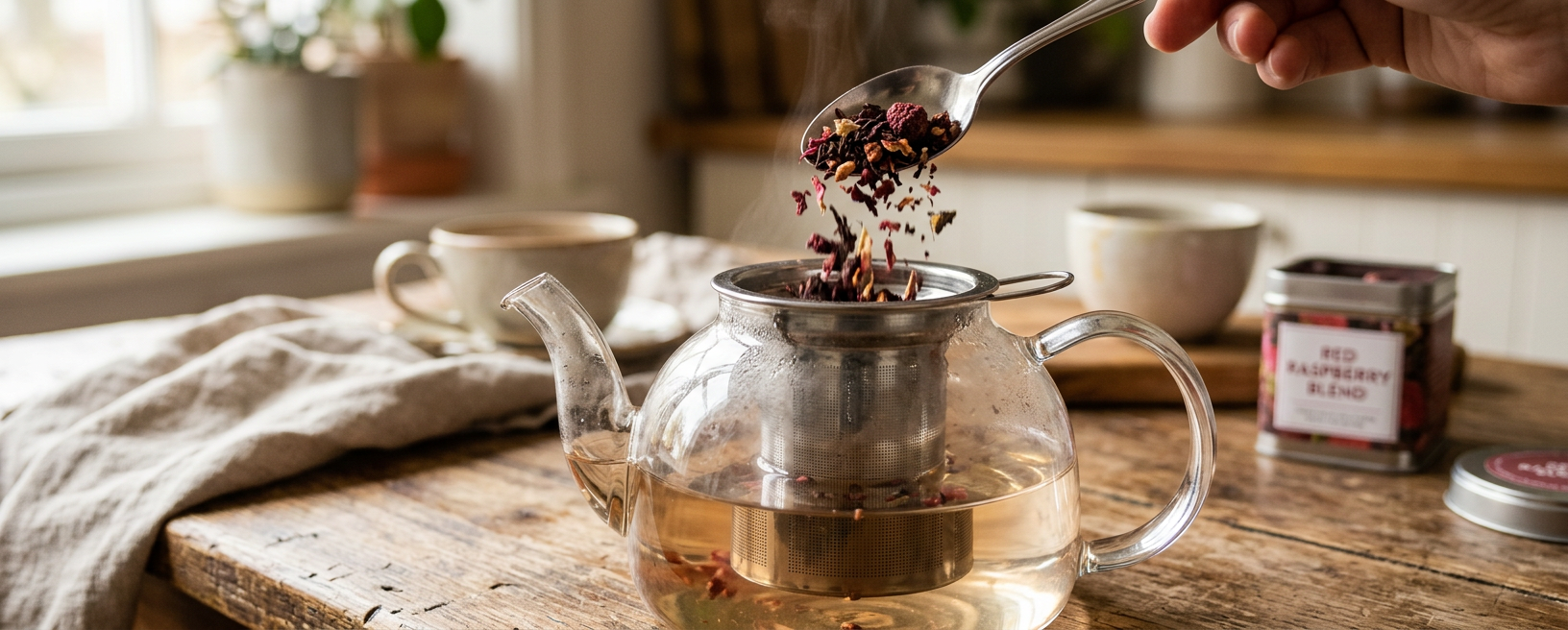 A close-up of loose-leaf red raspberry tea being poured into a tea infuser inside a glass teapot.
Raspberry Leaf Tea vs. Other Herbal Infusions
One of the most frequent questions we receive is how this tea compares to staples like chamomile. While chamomile is primarily used for its sedative, calming effects, drinking raspberry leaf tea is about long-term, nourishing support.
| Feature | Raspberry Leaf Tea | Chamomile Tea |
|---|---|---|
| Primary Use | General wellness & tonic | Sleep & relaxation |
| Flavor Profile | Earthy, robust, woody | Floral, apple-like, sweet |
| Caffeine Status | Caffeine-free | Caffeine-free |
| Best Time | Morning or afternoon | Evening |
Integrating Raspberry Leaf Tea into Your Lifestyle
At Inasbay, we believe in the power of the "daily tea ritual." Building a sustainable, healthy lifestyle isn't about drastic changes, but rather about consistent, nourishing habits.
Creating Your Daily Routine
- The Morning Reset: Swap your second cup of coffee for a natural herbal tea to keep your hydration levels optimal.
- The Mid-Day Pause: Use the 5-minute brewing process as a mindfulness exercise.
- Botanical Blends: Consider pairing raspberry leaf with peppermint or hibiscus for a more complex flavor profile. You can explore our curated selections like the Monastery Blend for those who enjoy artisanal tea experiences.
 A person holding a ceramic mug of tea, sitting by a window in a bright, peaceful room
Common Mistakes to Avoid
- Over-boiling the Water: Boiling water can scald delicate botanicals. Always let the water cool slightly.
- Ignoring Storage: To maintain freshness, store your organic herbal tea blend in an airtight container away from direct light and humidity.
- Rushing the Steep: A 1-minute steep won't extract the beneficial tannins. Patience is key to a meaningful herbal infusion.
Expert Insights: Trends for 2026
As we look toward 2026, the demand for clean-label, plant-based wellness products continues to surge. According to Forbes business analytics on the wellness industry, consumers are increasingly prioritizing "functional beverages"—teas that do more than just hydrate. Raspberry leaf tea sits at the intersection of tradition and functional science, making it a top choice for the health-conscious consumer.
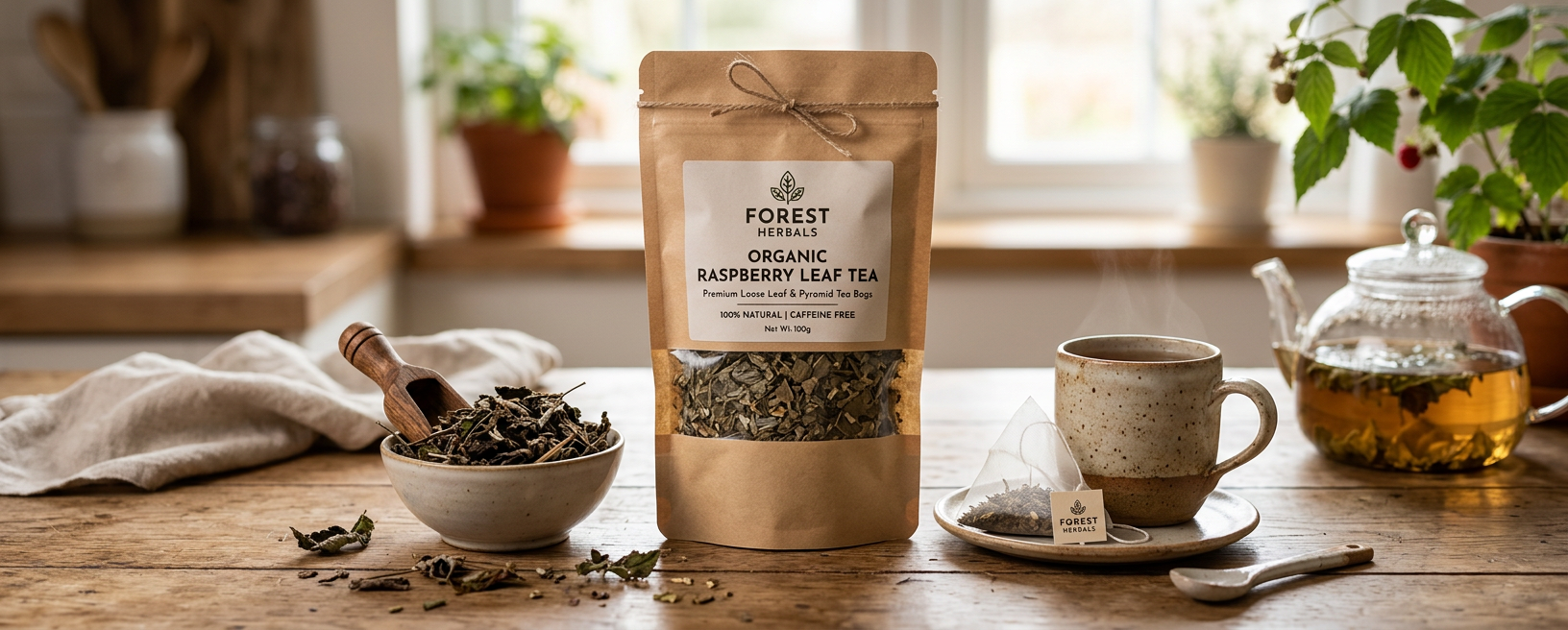 A high-quality image of dried raspberry leaf tea bags and loose leaf in sustainable packaging.
Frequently Asked Questions (FAQ)
What is raspberry leaf tea?
Raspberry leaf tea is an herbal infusion made from the dried leaves of the Rubus idaeus plant. It is widely consumed for its mild, earthy flavor and its traditional use in supporting women’s health and overall wellness, serving as a popular, nutrient-rich, caffeine-free alternative to traditional tea.
Is raspberry leaf tea caffeine-free?
Yes, raspberry leaf tea is naturally caffeine-free. Unlike black, green, or white teas which are derived from the Camellia sinensis plant, raspberry leaf tea is a botanical infusion, making it an excellent choice for those looking to reduce their daily caffeine intake without sacrificing their tea ritual.
How do you make raspberry leaf tea?
To make raspberry leaf tea, steep 1–2 teaspoons of dried loose-leaf tea in 8 ounces of hot water (approx. 200°F). Cover and let it steep for 5–10 minutes to ensure full extraction of nutrients. Strain the leaves and enjoy your warm, nourishing infusion.
When should you drink raspberry leaf tea?
You can enjoy raspberry leaf tea at any time of the day. Because it is caffeine-free, it is a versatile beverage suitable for both morning routines and evening relaxation. Many people incorporate it into their daily wellness ritual to support consistent, long-term health benefits.
What is the difference between raspberry tea and raspberry leaf tea?
Raspberry tea is typically a fruit-flavoured beverage often made with a black or green tea base, containing caffeine and fruit additives. Raspberry leaf tea is an herbal infusion made specifically from the leaves of the raspberry plant, containing no caffeine and offering a distinctively earthy, botanical flavor profile.
How do I choose the best raspberry leaf tea?
When choosing the best raspberry leaf tea, look for organic certification to ensure the leaves are free from synthetic pesticides. Opt for loose-leaf varieties when possible to ensure you are getting whole, high-quality leaves, which retain more of the essential oils and flavor compared to pre-packaged dust in some tea bags.
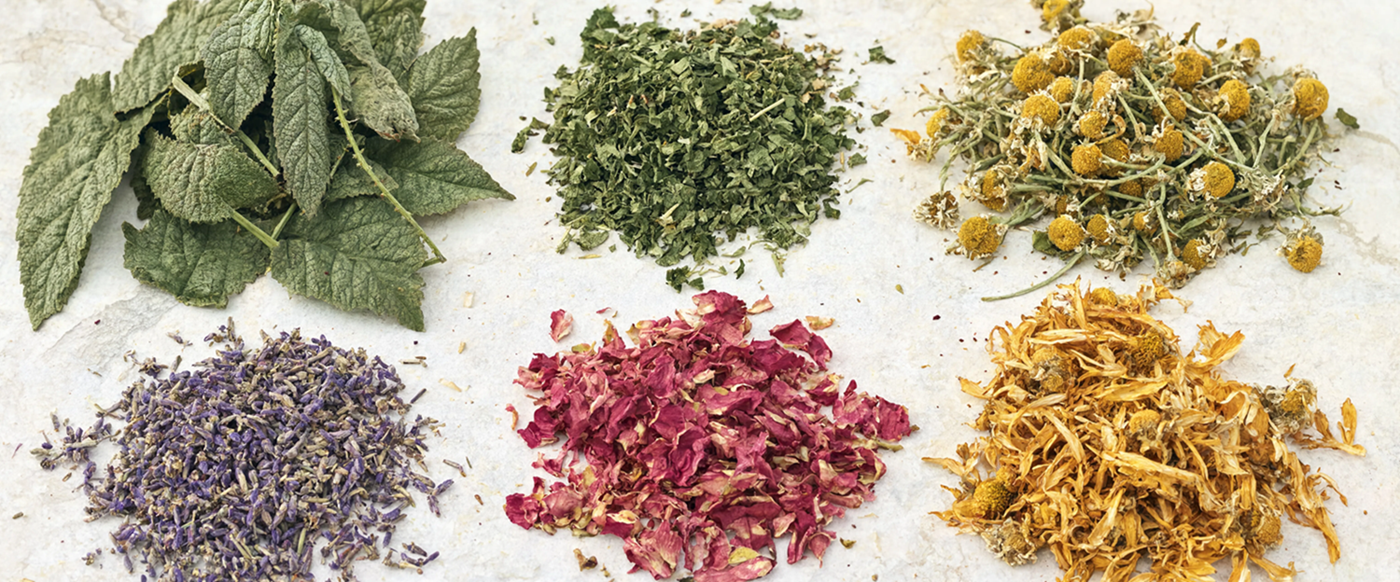 A flat-lay photo of various herbal ingredients, including raspberry leaves, peppermint, and dried flowers.
Key Takeaways
- Natural Wellness: Raspberry leaf tea is a versatile, caffeine-free botanical infusion that supports a holistic lifestyle.
- Nutrient-Dense: It is rich in antioxidants and essential minerals, serving as a functional beverage.
- Ritualistic Power: Incorporating this tea into your daily routine creates a moment of calm and intentionality.
- Choose Quality: Always prioritize organic raspberry leaf tea to ensure purity and potency.
Conclusion
Drinking raspberry leaf tea is an investment in your long-term wellness. By choosing high-quality botanical ingredients and turning your daily preparation into a meditative ritual, you elevate a simple drink into a meaningful self-care practice.
Explore our collection of premium herbal teas at Inasbay and find the perfect blend to support your journey toward better health. Whether you prefer the convenience of tea bags or the traditional ritual of loose-leaf tea, we are committed to providing the clean, organic, and authentic botanical experience you deserve.
Start your wellness journey today—browse our organic herbal collection at Inasbay and experience the difference that quality makes.
 |
Share


|